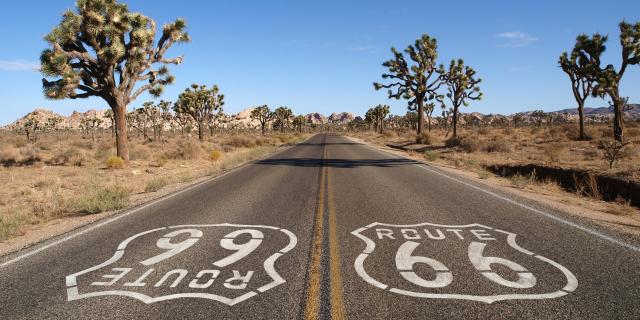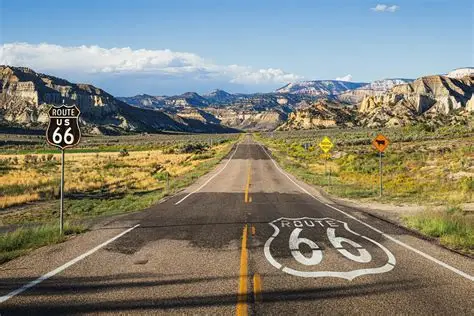
Few roads capture the spirit of adventure, history, and nostalgia quite like Route 66. Nicknamed “The Mother Road,” it’s an American icon that winds from the bustling streets of Chicago to the sunny beaches of Santa Monica. But beyond the classic road trip scenes, Route 66 holds plenty of surprising stories. Here are 16 intriguing facts you might not know about this legendary highway that’s been inspiring travellers for nearly a century.
Route 66 is one of the most legendary roads in American history. From its modest start to becoming a symbol of nostalgia and adventure, it’s made a lasting impact on the culture and history of the United States. Whether you’re gearing up for a cross-country drive or simply intrigued by its story, Route 66 continues to captivate and inspire travellers from around the world.
1. The Birthplace of Route 66
Route 66 officially came to life on November 11, 1926, though the concept had been in the works for years. Cyrus Avery, known as the “Father of Route 66,” dreamed of a highway linking rural communities with vibrant cities. His goal was to boost commerce and tourism, giving rural America a chance to join in the booming automobile era.
2. Route 66 Wasn’t Always Paved
When Route 66 first opened, it was a mix of paved roads, dirt tracks, and gravel stretches. It wasn’t until the late 1930s that the whole route was fully paved. In the early days, travelers had to deal with muddy, rough conditions, making the drive anything but smooth. This was especially true during the Dust Bowl, when migrant families heading west faced tough challenges along the unpaved sections.
3. The Route Spans 8 U.S. States
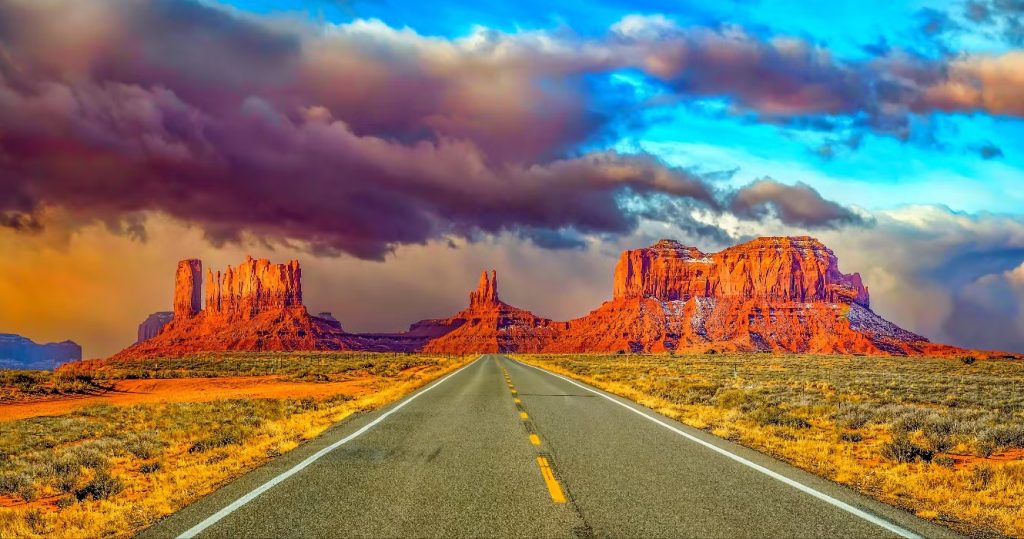
Spanning 2,448 miles, Route 66 winds through eight states: Illinois, Missouri, Kansas, Oklahoma, Texas, New Mexico, Arizona, and California. Each state showcases its own mix of scenery, from Illinois’ flat prairies to Arizona’s arid deserts. Along the journey, the highway passes lively cities, charming small towns, and eerie ghost towns, each reflecting a chapter in America’s story throughout the 20th century.
4. Cyrus Avery – The Father of Route 66
Cyrus Avery, a businessman from Tulsa, Oklahoma, was the driving force behind Route 66. While serving on the U.S. Bureau of Public Roads, he pushed for a diagonal highway that would link rural communities to major cities. His dedication earned him the title “The Father of Route 66.” Today, visitors can explore the Cyrus Avery Centennial Plaza in Tulsa, a tribute to his lasting impact on America’s highways.
5. Route 66 is 2,448 Miles Long
Route 66 is impressively long, stretching nearly 2,500 miles through a mix of stunning scenery—from the wide-open plains of the Midwest to the striking red rocks of the Southwest and the breezy coastline of California. Starting in the bustling, skyscraper-filled streets of Chicago or finishing in the relaxed charm of Santa Monica, it’s a journey that captures the full spirit of America.
6. It Wasn’t Just a Tourist Route
Today, Route 66 is famous among road trip lovers, but back in its prime, it was a crucial path for Americans heading west during the Great Depression and Dust Bowl. Countless families escaping the Midwest’s economic struggles travelled this route to reach California in search of a better life. John Steinbeck captured this migration in his novel The Grapes of Wrath, famously calling Route 66 the “Mother Road.”
7. Route 66 and Popular Culture
Route 66 is deeply woven into popular culture. From the classic TV show Route 66 (1960-1964) to the catchy hit “(Get Your Kicks on) Route 66,” the highway stands as a symbol of American freedom and adventure. Movies like Cars have further solidified its legacy, inspiring new generations with the charm and magic of the open road.
8. The Ghost Towns of Route 66
When Route 66 faded with the growth of the Interstate Highway System, countless towns along its path were left behind. These ghost towns are haunting reminders of a bygone era. Places like Glenrio, Texas, and Oatman, Arizona, now nearly deserted, still draw curious travellers hoping to experience a slice of Route 66’s forgotten past.
9. Route 66 and the Birth of Motels
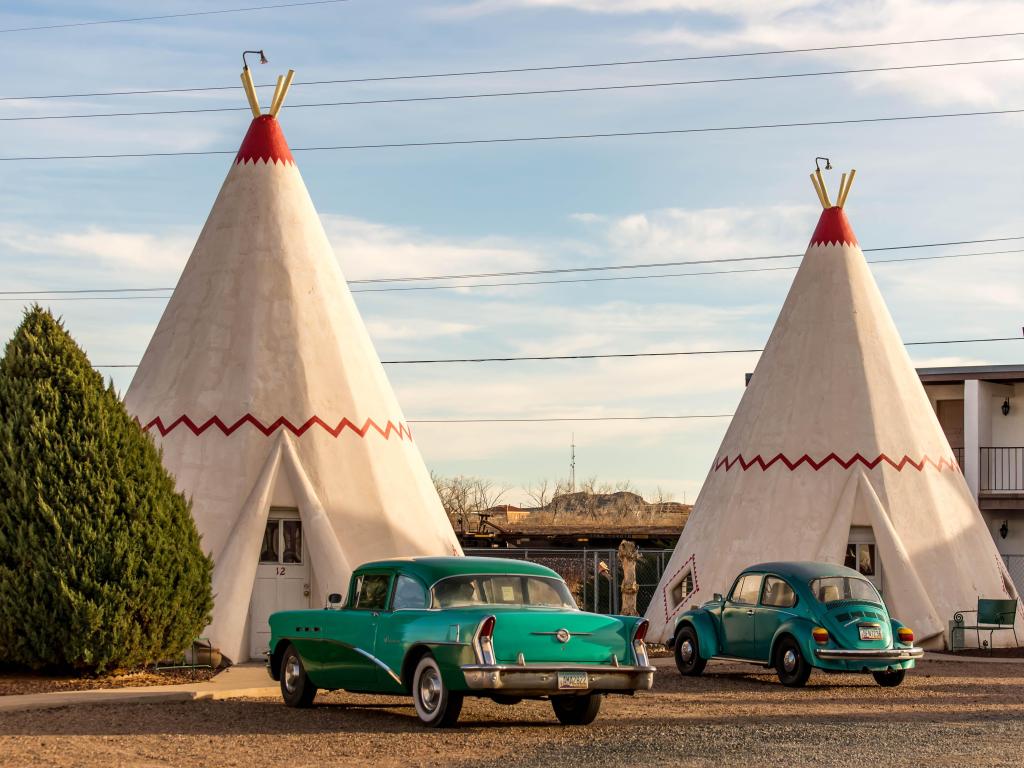
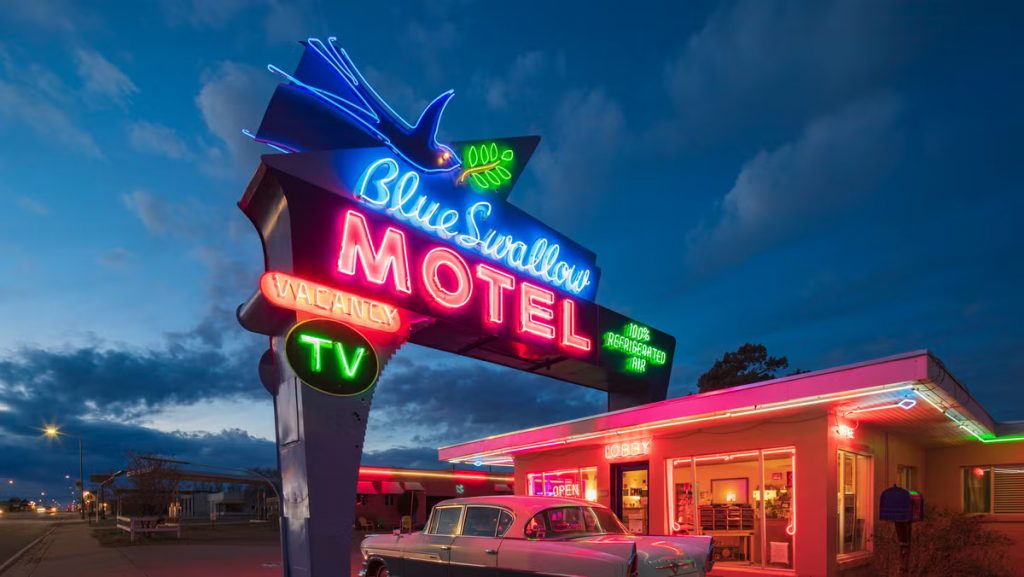
With the rise of Route 66 came a boom in motels and roadside businesses. Before these, travelers had few choices for lodging. The famous highway spurred the growth of affordable, car-friendly motels, diners, and gas stations. Iconic spots like the Wigwam Motel in Holbrook, Arizona, became not just places to stay but landmarks in their own right.
10. The Decline and Revival of Route 66
In 1985, Route 66 was officially taken off the U.S. Highway System, as new, faster interstates made it outdated. Still, preservationists and nostalgic travellers brought it back to life, and now it’s recognized as a “Historic Route.” Today, it’s a favourite destination for those chasing the charm of a classic road trip.
11. The End Points: Chicago to Santa Monica
Route 66 starts in Chicago, Illinois, and wraps up at the Santa Monica Pier in California. These two cities capture the essence of the American journey—from the busy heart of the Midwest to the relaxed vibe of the Pacific Coast. It’s a tradition for roadtrippers to snap a photo at the “End of the Trail” sign in Santa Monica, celebrating the end of their Route 66 adventure.
12. Route 66 is Home to Quirky Attractions
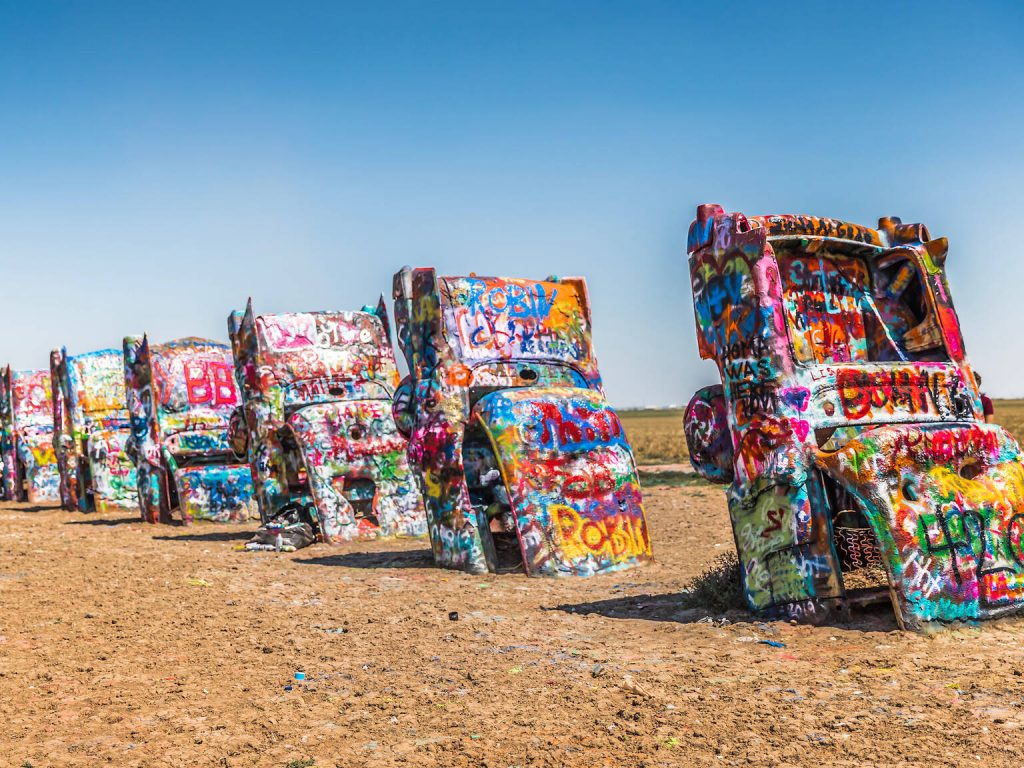
One of the most delightful things about Route 66 is its quirky, offbeat attractions. From the giant Blue Whale in Catoosa, Oklahoma, to the Cadillac Ranch in Amarillo, Texas, the route is lined with eccentric roadside stops that spark the imagination. These unique landmarks are perfect for travellers seeking something fun and unforgettable.
13. Route 66 Inspired the Interstate Highway System
Route 66 played a big role in linking rural America to major cities, which was key to shaping the U.S. Interstate Highway System. President Eisenhower, inspired by the German Autobahn during World War II, pushed for faster, more direct highways. Today, many interstates trace parts of Route 66’s path, keeping its legacy alive in modern travel.
14. It Has Its Museum
Along Route 66, several museums celebrate the road’s rich history and culture. The Route 66 Museum in Clinton, Oklahoma, and the Illinois Route 66 Hall of Fame & Museum in Pontiac, Illinois, highlight the highway’s influence on American life. With vintage cars, memorabilia, and immersive exhibits, these spots take visitors on a nostalgic trip back to the golden era of the Mother Road.
15. Route 66: A Hotspot for Classic Car Enthusiasts
Route 66 is more than just a highway—it’s a hotspot for classic car enthusiasts. Vintage car clubs and fans often gather for rallies and cruises along the route, honoring the golden era of American automobiles. Watching a line of beautifully restored ’50s and ’60s cars cruise down Route 66 perfectly captures the road’s timeless spirit.
16. Annual Route 66 Events and Festivals
Route 66 comes alive each year with events and festivals that honor its storied past. The “Route 66 International Festival” and Arizona’s “Route 66 Fun Run” draw thousands of visitors eager to enjoy parades, classic car displays, and live music. These celebrations keep the road’s spirit thriving and offer a great reason to take a nostalgic journey.