From the 11.2hp 1920 Indian Scout to the 310hp 2015 Kawasaki Ninja H2R.
These bikes have raised the bar on form and function through the ages.
Bikers, by nature, gravitate toward two-wheelers that showcase their personality and unique style. That’s why picking the greatest motorcycles of all time is bound to spark debate and differing opinions. Still, most would agree there have been some truly game-changing designs that have pushed certain bikes to the front of the pack.
After diving into the history books, chatting with respected colleagues, and having a few spirited debates along the way, here’s what we’ve put together year by year. Did your favourite two-wheeler make the cut?
1920 Indian Scout

Irish designer Charles Franklin created the Scout, the bike that rescued Indian Motorcycle. Debuting in 1920, its 600 cc V-twin engine was a smaller, lighter, and more efficient take on the Powerplus model, quickly becoming a hit. To meet demand from police forces across the U.S., the engine was boosted to 750 cc and sold as the Police Special. A civilian 750, the Model 45, joined the lineup in 1928 alongside the 600 cc version, with the 750 soon rebranded as the Model 101. Franklin also designed the 1,000 cc Indian Chief in 1922 and the 1,200 cc Big Chief.
1923 BMW R32
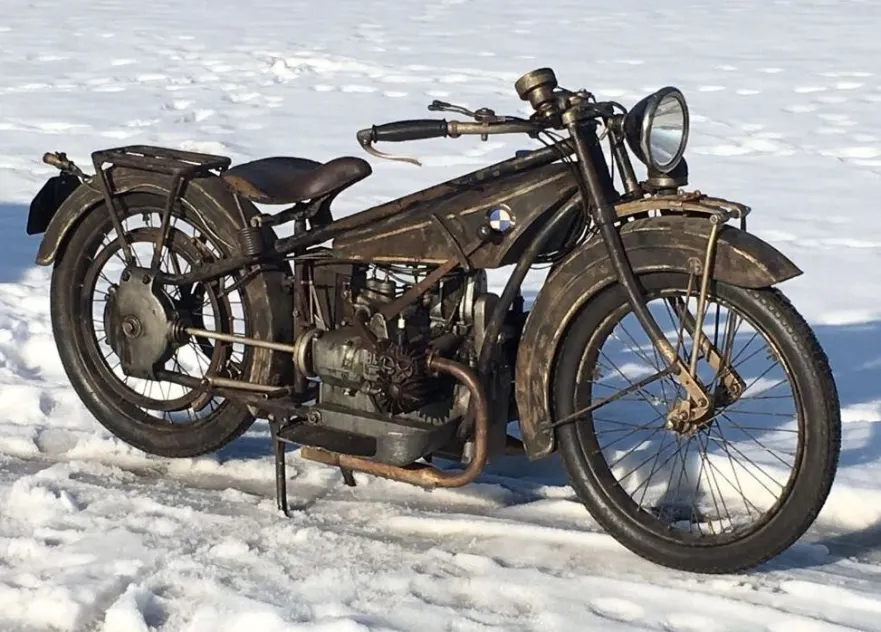
The BMW R32 was the motorcycle that kicked things off for BMW. Built during the rapid industrial growth of the 1920s, it marked the company’s first foray into bikes after starting out making engines for the German air force in World War I.
The flat-twin boxer engine paired with a shaft drive set the standard for BMW’s future motorcycles, a design still found in most of their bikes today. Powered by a 494 cc engine, it could hit speeds of 60 mph. With its classic style, the R32 remains one of the most sought-after motorcycles nearly a century later.
1936 Harley-Davidson Knucklehead
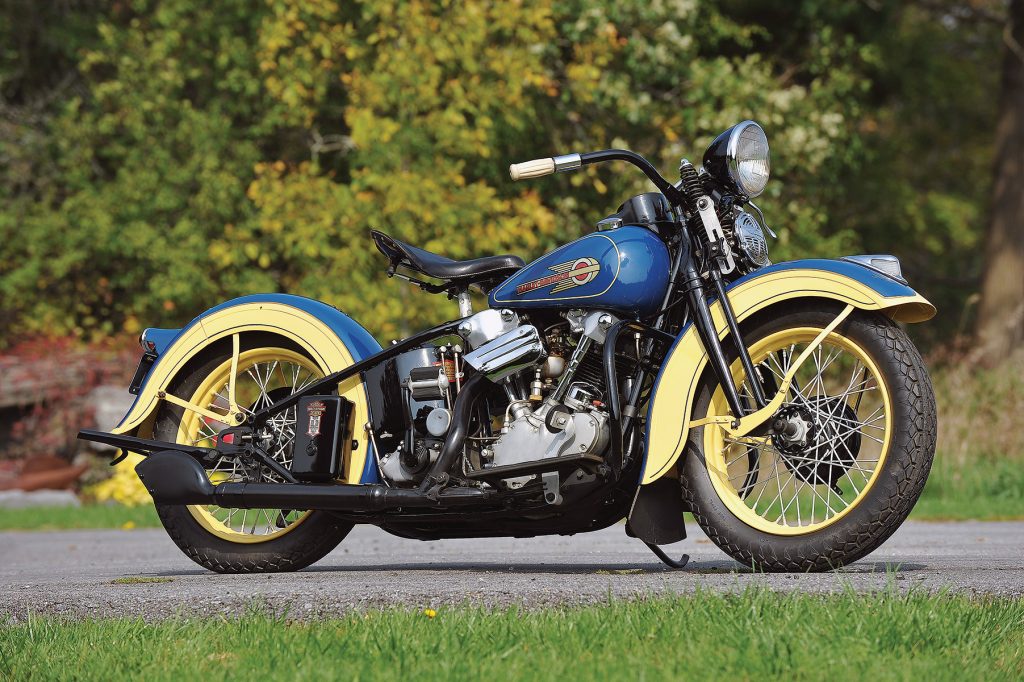
In American motorcycle history, the 1936 Harley-Davidson Knucklehead stands out as a true landmark, debuting the company’s first overhead-valve engine. This 61-cubic-inch V-twin, famous for its knuckle-shaped rocker covers, raised the bar for both performance and durability. It marked a big step up from the flathead engines of the time, delivering more power, better cooling, and introducing Harley’s first system recirculate engine oil between the engine and the oil tank.
With its groundbreaking engineering and unmistakable design, the Knucklehead firmly established Harley-Davidson as a top motorcycle maker and became a cultural icon during a key era in American motorcycling. Many see it as the bike that pulled Harley-Davidson through the Great Depression.
1937 Brough Superior SS100
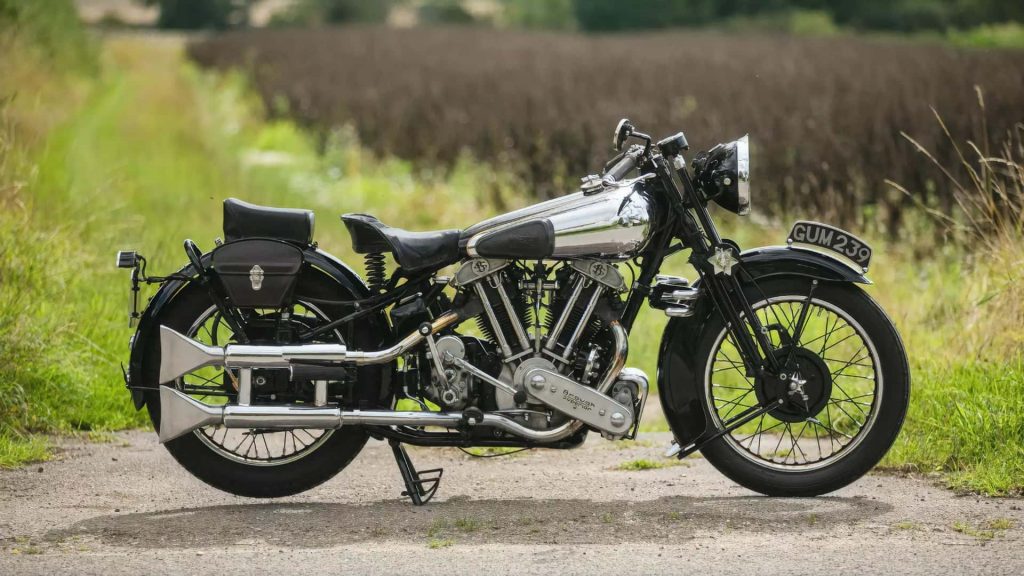
The world’s first superbike, the SS100, came with a certificate signed by founder George Brough, promising it could hit the magic 100 mph mark. Powered by a 990 cc, air-cooled 50-degree V-twin engine, it delivered an impressive 48 hp at a time when anything over 30 hp was considered huge.
T.E. Lawrence—famously known as Lawrence of Arabia—owned eight Brough motorcycles, including the 1920s model shown here. Tragically, he lost his life in a crash near his home in Dorset, England. The Brough Superior brand has since been revived by Mark Upham, with modern SS100s now being produced.
1957 Harley-Davidson Sportster

Few motorcycles stir up as much passion and pride as the Harley-Davidson Sportster. Still rolling off production lines today, the Sportster made its debut in 1957 with a four-stroke, 45-degree V-twin engine. The original featured the Ironhead motor, ranging from 900 cc to 1000 cc, which was later replaced by the Evolution motor, available from 883 cc to 1100 cc.
The Sportster line is arguably Harley-Davidson’s most iconic and profitable series. It has carried the company through tough financial times and is as woven into the fabric of American motorcycling as the brand itself.
1958 Honda Super Cub

Honda’s 50 cc C100 Super Cub holds the record as the best-selling motor vehicle in history, with 100 million units sold over the past 63 years—and it’s still going strong. Featuring a simple 49 cc pushrod engine, automatic clutch, big 17-inch wheels, a pressed steel spine frame, and plastic leg shields and mudguards, the Super Cub was easy for anyone to ride and sipped fuel efficiently. The electric-start C102, launched in 1960, boosted its popularity even more, helped by a catchy ad campaign that promised, “You meet the nicest people on a Honda.”
1960 Triumph T120 Bonneville

The 1960 Triumph T120 Bonneville is a true classic, known for its mix of speed, style, and cultural influence. Named after the Bonneville Salt Flats, where Triumph broke multiple land speed records, it boasted the brand’s first dual-carburetor 650 cc parallel-twin engine, hitting speeds up to 115 mph and ranking among the fastest bikes of its day. With its signature two-tone paint, long chrome pipes, and comfortable pillion-friendly pancake seat, it defined Brit-bike cool.
The Bonneville became an icon of 1960s counterculture, closely tied to the café racer scene and famously ridden by legends like Steve McQueen and Bob Dylan. With its classic design and strong racing heritage, it helped Triumph build a lasting legacy in both American and British markets, and its near-original silhouette remains one of the best-selling styles today.
1968 Norton Commando

In 1968, Norton made a bold move by abandoning its famous “Featherbed” frame to launch the Commando. While not entirely new—the basic engine dated back to 1949—the 750 cc Commando revitalized a struggling brand. The engine was mounted on rubber within the new frame, solving the vibration issues of the Atlas. The Commando Fastback Mk1 brought striking new styling to the bike’s components, becoming a huge hit in Norton’s main market, the USA. By 1973, the engine grew to 850 cc, extending both the model’s and Norton’s production run.
1972 Kawasaki Z1

Honda might have kicked off the trend for four-cylinder street bikes, with MV Agusta close behind, but Kawasaki truly stole the show with its Z1. Codenamed “New York Steak” during development, the Z1 was the first big-capacity Japanese four-cylinder to feature double overhead camshafts, edging out rival Honda’s CB750 and offering an extra 153 cc for riders. Packing 82 horsepower and capable of topping 130 mph, the Z1 reigned as the ultimate 1970s production sports bike—at least until Honda made its comeback in the early 1980s.
1973 Yamaha RD350
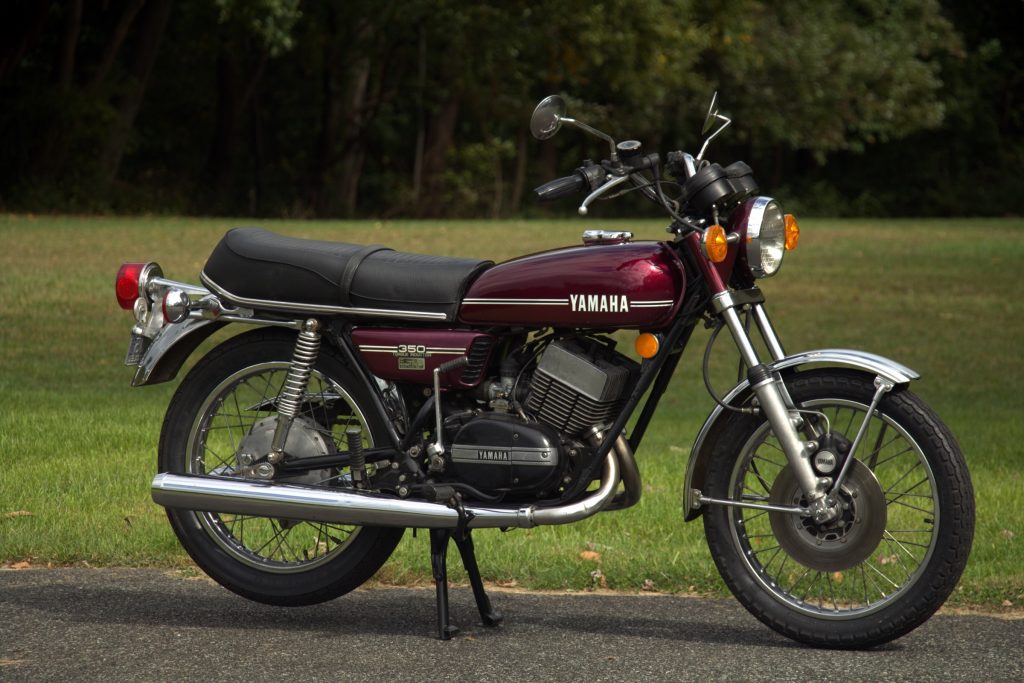
The 1973 Yamaha RD350 played a key role in shaping performance motorcycles. This lightweight, two-stroke machine boasted an impressive power-to-weight ratio, making it a hit with riders and racers alike. Its reasonable price and easy availability brought the thrill of a high-performance bike within reach for everyday motorcyclists.
The RD350’s design and engineering paved the way for the RD400F Daytona Special, which amped things up with more power and sharper handling. These bikes became legends in the street racing world, shaping the future of sportbikes and solidifying Yamaha’s reputation for making fast, fun, and affordable rides.
1974 Ducati 750SS

No motorcycle Top 25 list would be complete without the 1974 Ducati 750SS Green Frame. With only 401 ever made, this bike was inspired by the 1972 Imola 200–winning 750 cc racer ridden by Paul Smart. The Green Frame’s popularity soared so quickly that the Bologna factory soon rolled out a bigger 900SS to keep up with demand.
The Green Frame was the only round-case, bevel-drive desmo made mainly for street use. Showcased in the Guggenheim Museum’s “The Art of the Motorcycle” exhibit, it’s become one of the best investments in motorcycling history, often selling for well over £100,000.
1980 BMW R 80 G/S
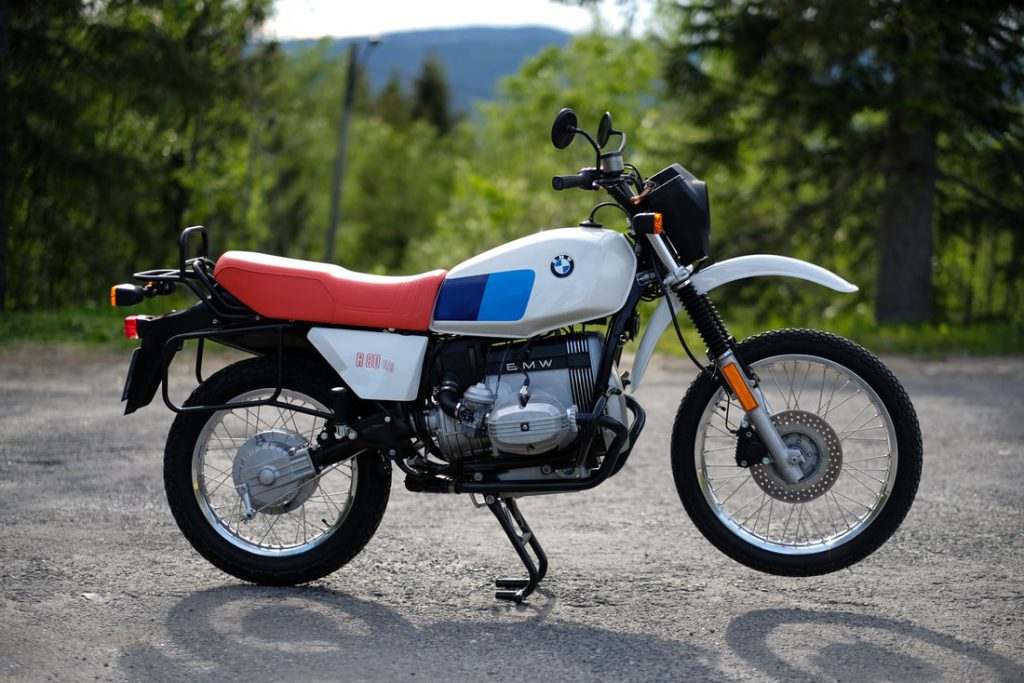
In 1980, BMW launched not just a new category, but an entire movement with the Gelände Sport, or G/S (later renamed GS). This maxi-travel bike could tackle any terrain, helping save BMW Motorrad from financial ruin and earning its place as the ultimate adventure machine for crossing paddocks, states, or even countries.
From conquering the grueling Paris-Dakar Rally to stealing the spotlight in Ewan McGregor’s hit series Long Way Round, and winning over generations of adventure riders, the G/S stands as the most important motorcycle BMW has ever made.
1980 Honda GL1100 Gold Wing Interstate
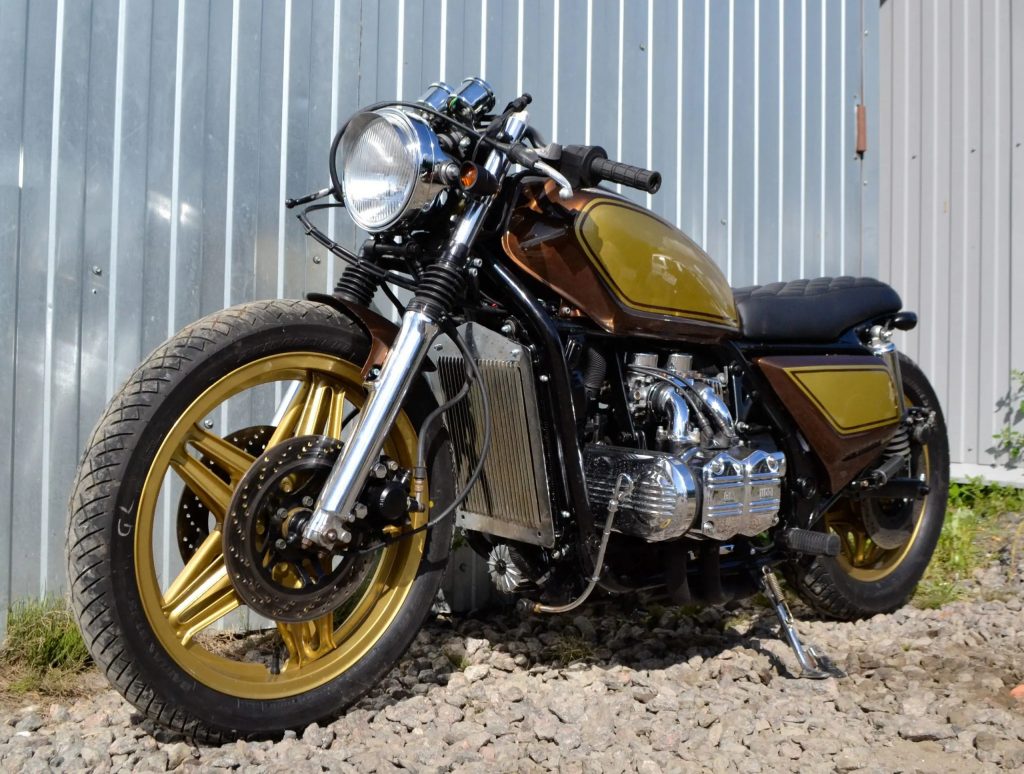
In 1980, Honda’s Gold Wing changed the game for long-distance touring by debuting the first full-dress touring motorcycle. Powered by a horizontally opposed 1,100 cc four-cylinder engine, the GL1100 delivered unmatched smoothness and dependability. The Interstate version came fully equipped with a fairing, saddlebags, and a trunk, raising the bar for touring comfort and convenience.
The ‘Wing not only set the standard for modern touring motorcycles but also cemented Honda’s dominance in the segment, building a devoted fan base and shaping touring bike design for generations. Its blend of top-notch engineering and luxury made it a best-seller, securing Honda’s spot as a market leader in the 1980s.
1984 Harley-Davidson Softail (Evolution Engine)
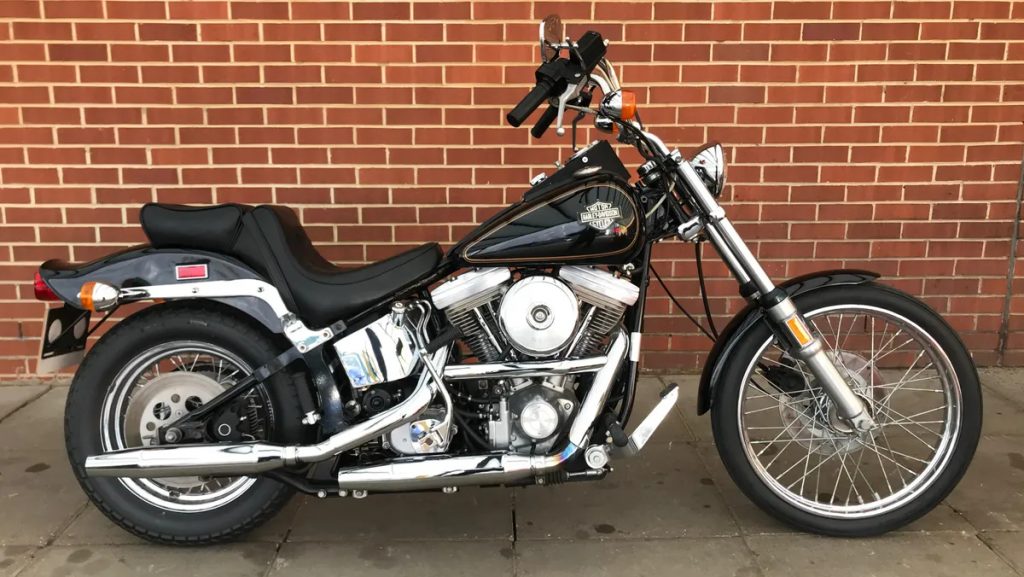
The 1970s were tough times for Harley-Davidson, as the brand ended up under ownership that didn’t really understand motorcycles or its loyal fans. After a management buyout in 1981, the top priority was developing a new engine. Just a few years later, the 1984 Harley-Davidson Softail debuted with the Evolution engine, marking a major turning point for the company both technically and financially. The 1,340 cc all-aluminium engine was a big step forward from earlier models, delivering better reliability, performance, and reduced emissions.
The Softail design, with its hidden rear suspension that gave the appearance of a hardtail, quickly became a classic, combining modern comfort with vintage style. It was a massive success, playing a key role in revitalizing Harley-Davidson, fueling its ‘90s comeback, and cementing its status as a cultural and economic powerhouse.
1985 Suzuki GSX-R750

Suzuki’s mark on superbike history can be captured in one name—the GSX-R. It all began with the GSX-R750 in 1985, kicking off a long and successful journey filled with race victories and championship glory.
Until this model came along, riders had never been able to buy a machine so close to what the pros were racing around the world. It turned out to be a huge success for Suzuki, which continues to produce the bike even though the 750 cc class has long been considered a thing of the past.
1992 Honda CBR900RR FireBlade

Known as the Father of the Fireblade, retired Honda engineer Tadao Baba persuaded the company’s board in the early 1990s to create a new kind of sport bike—one built for the handling and power riders actually needed on the road, rather than the ultra-focused race machines of the era. The result was the birth of the Honda CBR900RR.
Known as the FireBlade in every country except the United States (until 2020), it revolutionized the perception of sport bikes and sparked the superbike category, evolving from 750 cc four-cylinder machines to today’s 1000 cc powerhouses.
1992 Honda NR750
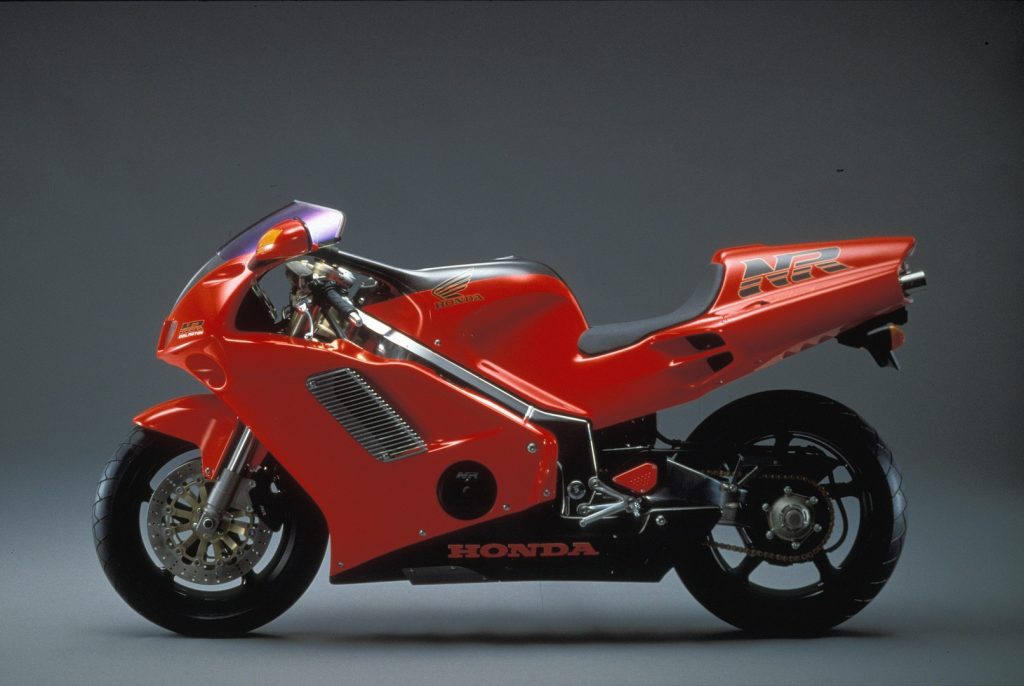
Honda’s NR750 is one of those bikes you’ll never forget once you see it in person. Featuring a 747 cc oval-piston V-4 engine with an incredible 32 valves, it represented the peak of the NR program, which began in 1979 with the NR500 500cc Grand Prix racer.
The NR750 set a new standard for production motorcycles, debuting features like electronic fuel injection, carbon-fiber bodywork, inverted forks, under-seat exhausts, and the distinctive oval piston layout once reserved for Honda’s top race bikes. Its design was so stunning that Massimo Tamburini openly admitted to borrowing the under-seat exhaust concept for his Ducati 916, a machine often hailed as one of the most beautiful motorcycles ever made.
1992 Britten V1000

There’s truly never been a motorcycle quite like the Britten V1000. Created by the late John Britten and his crew of hardworking friends in a Christchurch garage on New Zealand’s South Island, it took on and defeated the best twin-cylinder bikes in the world, claiming victories at Daytona, across Europe, and throughout Australasia.
More than anything, the Britten represents what can be achieved when you devote your life to a single passion. John Britten was a true visionary. The documentary One Man’s Dream is a must-watch for anyone even slightly interested in motorcycles, and his tragic death from cancer in 1995 at just 45 years old took away one of the brightest minds in motorcycling.
1994 Ducati 916
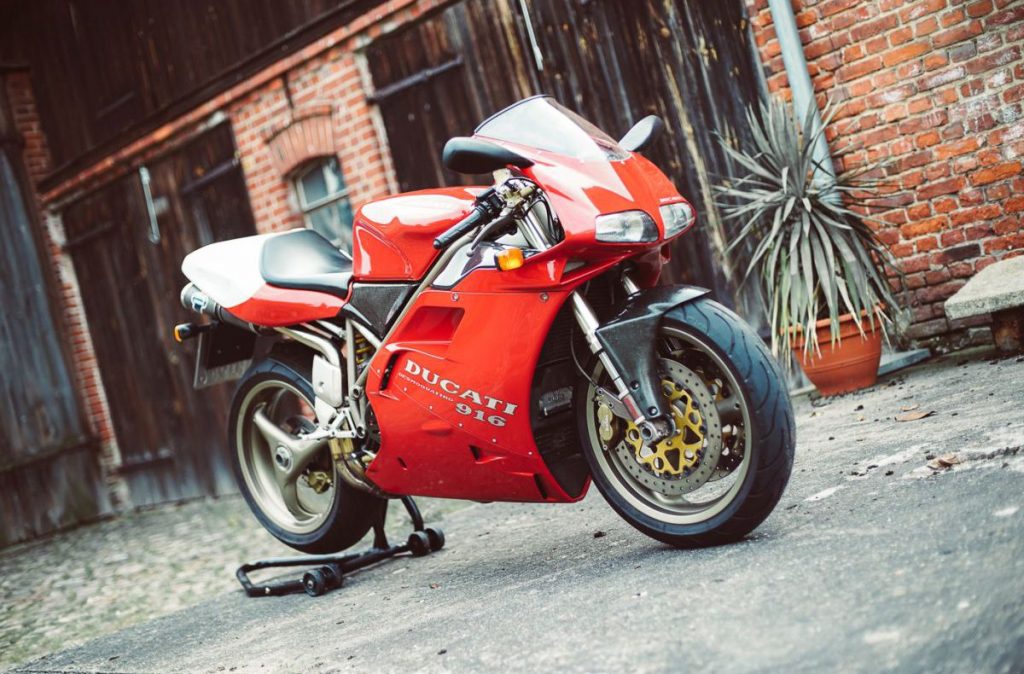
Massimo Tamburini’s masterpiece, the Ducati 916, broke boundaries and became a timeless style icon. Designed to echo the curves of a woman, according to Tamburini, it found instant success on the track. Winning the World Superbike Championship three years in a row, it propelled Ducati onto the thriving commercial path it follows today.
The 916’s influence on motorcycling is impossible to overstate, shifting design from the boxy look of the early ’90s to the sleek, flowing lines that countless bikes now emulate. Even more than the 750SS, the 916 stands as Ducati’s most significant creation, both financially and culturally.
1998 Yamaha YZF-R1
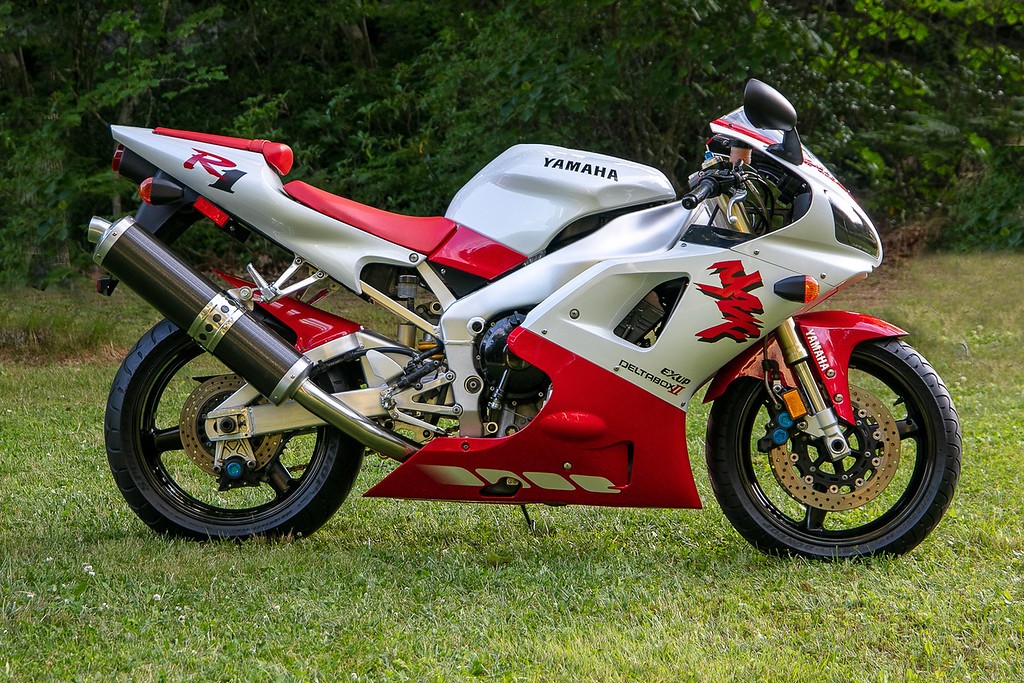
The Yamaha R1 is a legendary sport bike that redefined performance standards for production motorcycles and transformed sport bike design. Designer Kunihiko Miwa broke tradition by positioning the gearbox output shaft above the crankshaft instead of in line, creating the world’s first vertically-stacked gearbox. This innovation allowed for more compact packaging, influencing every part of the bike and resulting in what Miwa called the first “no compromise” superbike. Even today, the R1 continues to inspire riders and capture their passion.
2000 Harley-Davidson XR750
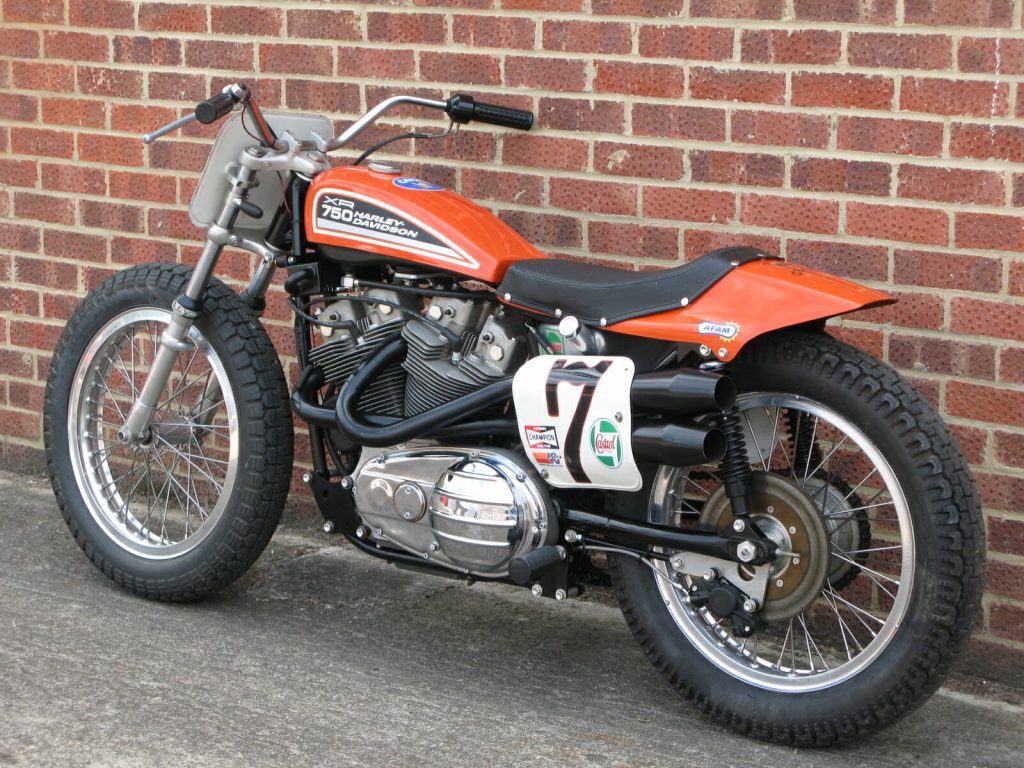
It’s hard to single out the 2000 XR750 for special praise, since it’s part of a legacy spanning nearly fifty years on America’s dirt tracks. Still, the XR has a strong claim to being the most successful race bike ever, in any class and any type of competition.
For over 50 years in AMA Flat Track racing, it was the bike everyone wanted to ride, with legends like Jay Springsteen, Scott Parker, Joe Kopp, Jared Mees, and Brad Baker at the controls. Its reign came to an end in 2016 with the arrival of the XG750R, a bike facing the daunting challenge of living up to the legendary status of its predecessor as the greatest flat track racer ever.
2001 Honda NSR500
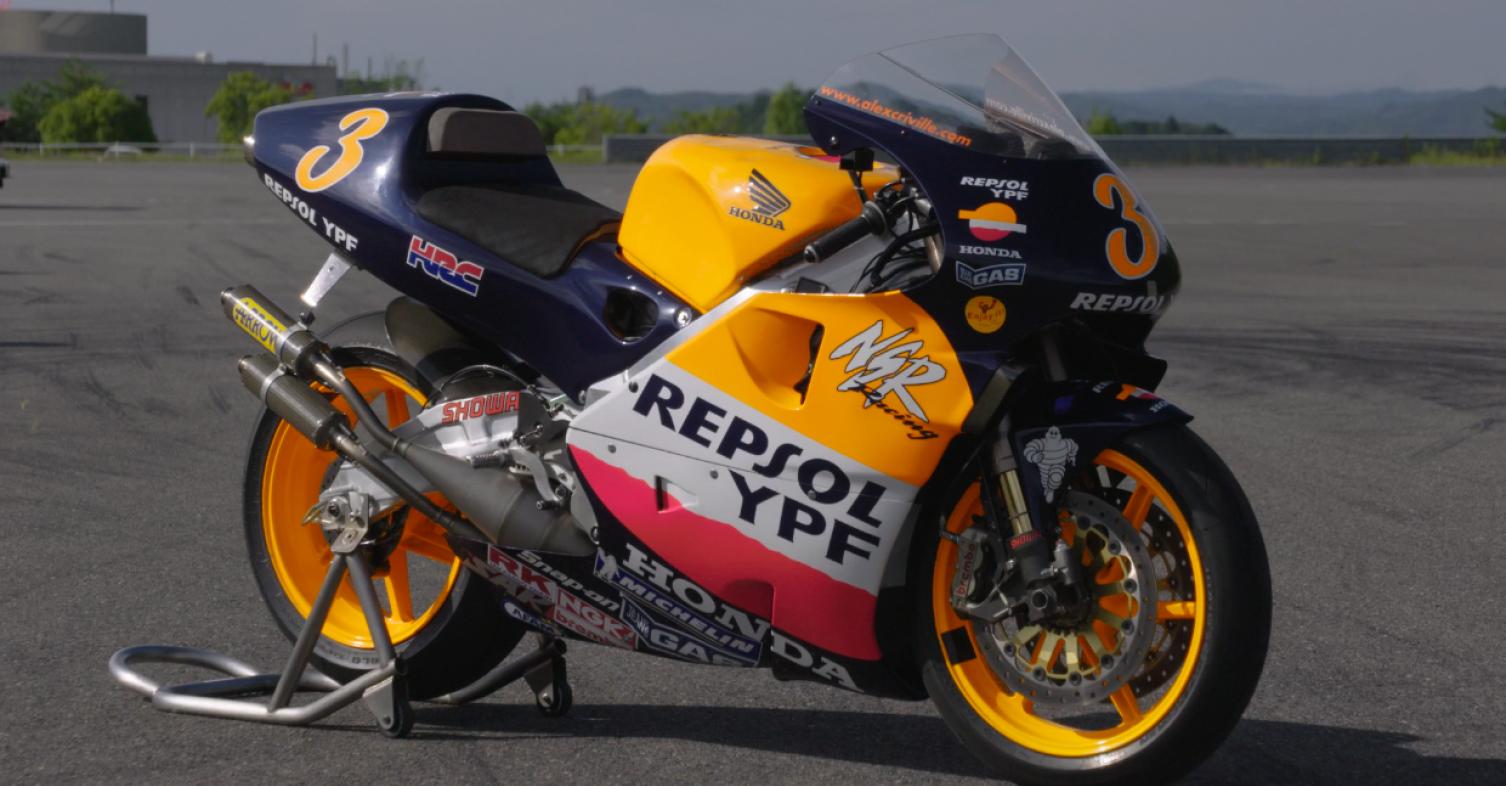
The Honda NSR500 was one of the most dominant 500 cc Grand Prix racing motorcycles ever. From 1984 to 2001, it racked up over 130 race wins, along with 10 rider and 11 constructor world championship titles, thanks to legends like Freddie Spencer, Wayne Gardner, Eddie Lawson, Mick Doohan, Àlex Crivillé, and Valentino Rossi.
Back in 1984, the model debuted with 140 hp from its 499 cc two-stroke engine and wrapped up its Grand Prix career boasting 185 hp and a wet weight of just about 285 pounds. The NSR stood as the ultimate two-stroke racer in an era of wild machines that were notoriously tough to handle at the edge.
2015 Kawasaki Ninja H2R
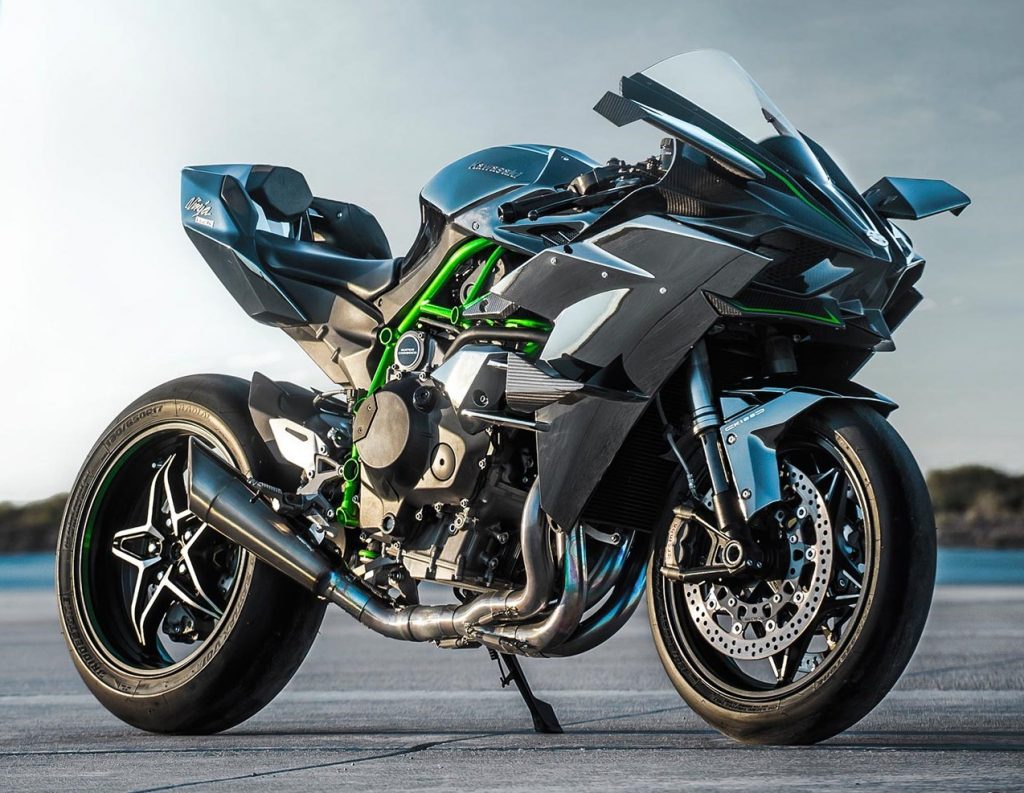
Kawasaki’s Ninja H2R is the ultimate “because-we-can” motorcycle, packing a supercharged 999 cc inline four-cylinder engine with a claimed 310 hp. In today’s world, full of legal red tape, it’s impressive that Kawasaki went ahead and built such a beast and actually made it available to the public.
The H2R marked Kawasaki’s gradual introduction of supercharged technology to the market, and it’s ironic that such a blisteringly fast motorcycle will probably pave the way for supercharged bikes that are smaller, more efficient in fuel use and emissions, and focused more on economy than sheer speed.
2018 Ducati Panigale V4

The 2018 Ducati Panigale V4 marked a major step forward in superbike design and engineering. It was the first mass-produced Ducati to feature the V4 “Desmosedici Stradale” engine, inspired by the brand’s MotoGP technology, and it set new standards for power, handling, and advanced electronics in a production bike. With its frameless design, sleek aerodynamics, and a full range of rider aids like traction control, cornering ABS, and a quick-shifter, it completely changed the game in the sportbike world.
The Panigale V4’s impact goes far beyond its performance, redefining what a superbike can be by fusing advanced technology with unmistakable Italian style. It also paved the way for future marvels like the Superleggera V4—a machine we crowned Robb Report’s Best Performance Motorcycle when it debuted in 2020.
2020 Ducati Superleggera V4

The Superleggera V4 is the ultimate Ducati Superbike on the market. It’s loaded with carbon fiber throughout—bodywork, wheels, frame, swingarm, and subframe. Its 224 hp engine jumps to an impressive 234 hp when equipped with the racing exhaust.
Only 500 units will be produced, each going for £100,000. It’s about as close as you can get to owning MotoGP tech (aside from the 2015 Honda RC213V-S). With stunning agility, jaw-dropping horsepower, and top-tier electronics, all packaged in a gorgeous, biplane-winged design—it’s Ducati at its finest.