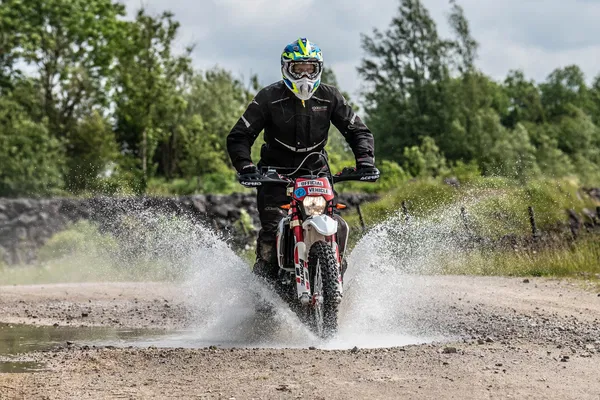
Adventure riding often conjures images of remote, exotic destinations. However, the reality is that the United Kingdom offers its own treasure trove of two-wheeled exploration opportunities. Nestled within the countryside lies an extensive, centuries-old network of unpaved routes, accessible to anyone equipped with a valid licence, a motorcycle, and a spirit of adventure. These historic byways, rich in character and natural beauty, provide a legal and rewarding way to experience the thrill of riding without ever leaving the nation’s borders.
This expansive network stretches for thousands of miles, reaching from the most remote landscapes of Wales to deep within the M25 corridor. For those who have glimpsed groups of mud-splattered riders navigating the winding lanes and wondered how to become part of such an exhilarating pursuit, the following offers a deeper insight.
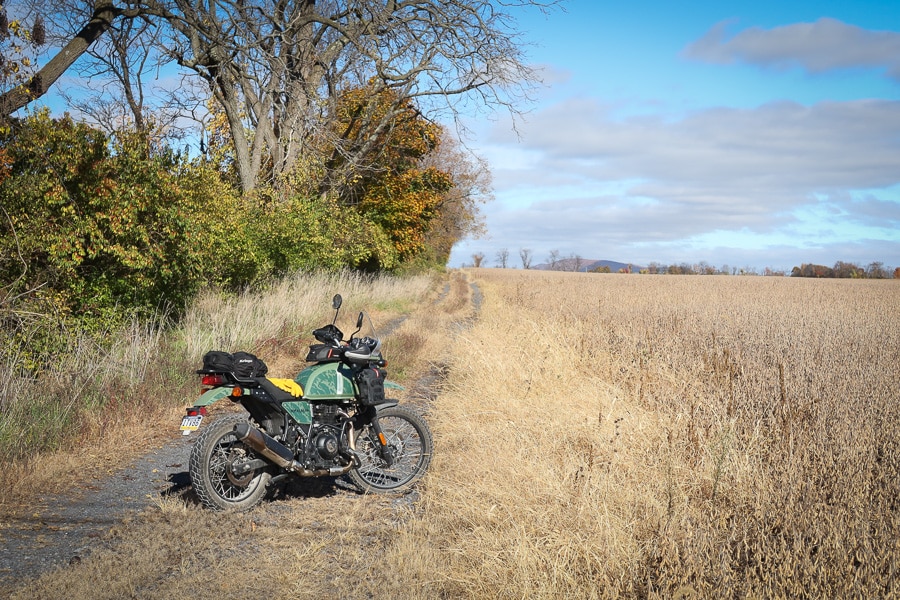
Green laning entails exploring the extensive 6,000-mile network of unpaved, or unmetalled, vehicular rights of way known as Unclassified County Roads (UCRs) and Byways Open to All Traffic (BOATs). As these routes are classified as roads, riders must hold a valid licence and insurance, and motorcycles must be taxed and MoT-certified unless exempt. Clearly marked on Ordnance Survey maps, these byways are as legitimate as major roads like the A1, but prudent speed is essential due to the potential presence of walkers, cyclists, horse riders, wildlife, and farm animals around any corner. Footpaths, bridleways, and restricted byways—where restrictions apply to motorcyclists—are strictly prohibited. Additionally, certain routes may be governed by Traffic Regulation Orders (TROs), which impose limitations on access at specific times or for certain types of vehicles. It is vital to consult up-to-date resources, such as the local council’s definitive rights of way records, before embarking on a journey.
Ordnance Survey Maps denote Byways Open to All Traffic (BOATs) with a distinctive green cross line, while digital applications such as ViewRanger and Trailwise2 provide the option to overlay these routes for convenient navigation. Innovative platforms like Trailvidz.com offer valuable insight into prospective journeys, featuring difficulty ratings for over 1,200 paths and a video library documenting 305 of them. However, even with thorough preparation, trail conditions can shift rapidly due to weather, transforming a welcoming route into a formidable challenge. It is important to recognise that watching an experienced rider navigate a section with ease may mask its true technical demands. Assess each situation carefully and ensure you have the option to turn back if required. Comprehensive routes such as the Trans Euro Trail (TET) provide detailed turn-by-turn instructions, offering an experience comparable to travelling with a personal guide. The UK segment, available for free download from transeurotrail.org, encompasses approximately 3,700 miles of adventure-rich terrain.
A quick note on safety:
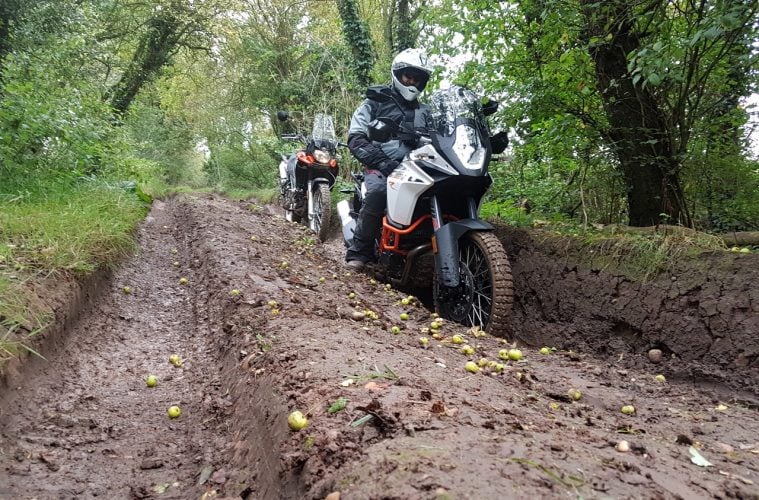
In remote lanes, assistance can be far away, and a minor mechanical issue can quickly become a lengthy and exhausting push if unprepared. Essential items include a first-aid kit, water, snacks, tools, and equipment for repairing punctures. A fully charged mobile phone is vital, and informing someone of your intended route is a key safety measure. Joining a group allows riders to discover the best routes, develop skills from seasoned riders, and ensures support in the event of an incident. It is important to avoid overwhelming narrow trails with large groups and to adhere to proper countryside etiquette. As MCN’s Michael Guy, a veteran of decades of trail riding, advises: riders must do their homework, as accessing prohibited areas will inevitably lead to fewer available routes. Preparedness is essential, as the countryside presents potential encounters with wildlife, pedestrians, and dog walkers. The key is to ride with awareness, appreciate the scenery, and only proceed when certain the path ahead is clear of others.
In recent years, trail closures have become common, with the Natural Environment and Rural Communities (NERC) Act 2006 slashing motorised access by about 60% overnight. Issues like noise, erosion, reckless behaviour, and some people’s reluctance to share the countryside have driven calls for even more restrictions, making it vital to represent the sport positively right from the start.
Certain byways have recently been designated for use on organized days only. A notable example is the Lake District’s renowned and breathtaking Gatescarth Pass, where cycling is permitted just once a month. Access on this day requires advance (and free) registration, ensuring the preservation of the route’s natural beauty and the management of visitor numbers.
The great bike debate:
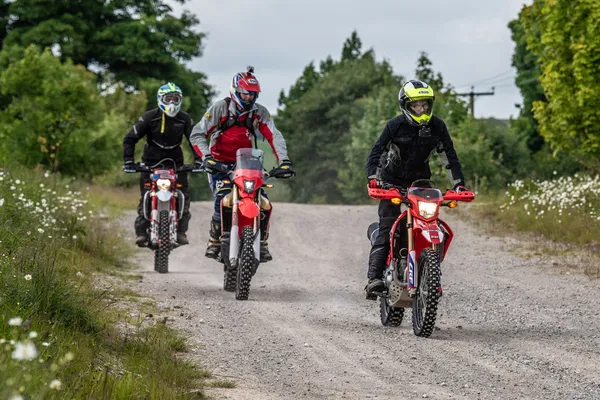
With enough determination and a disregard for practicality, virtually any motorcycle can be adapted for green laning. However, mastering the fundamentals is considerably quicker on a smaller machine – ideally a 200-500cc trail bike – before progressing to larger models once the core skills are in place. A reliable example can be sourced for £1500-£2500 through platforms such as Facebook Marketplace, while essential riding gear can be acquired for a few hundred pounds, making entry into the sport both accessible and affordable.
Selecting the right tyres is an investment in safety and performance. Road-oriented dual-sport options such as Michelin Anakee Wilds or Bridgestone AX41 perform exceptionally well on dry tarmac, loose gravel, and the connecting stretches in between. However, when the terrain becomes challenging, fully road-legal knobbly tyres like Michelin Mediums or Trackers, Plews EN1, and Mitas Terra Force provide superior traction and control, significantly easing the demands of difficult conditions.
Skills:
Venturing off-tarmac presents a distinctly different set of challenges compared to conventional riding. Acquiring the fundamental skills is essential for maintaining stability, while incorporating advanced techniques into your repertoire can significantly enhance the overall experience, even if it slightly diminishes the entertainment value for onlooking companions.
Begin by establishing a comfortable standing position on the bike. This does not require standing bolt upright; instead, hinge your hips forward, keep your legs nearly straight while maintaining a firm grip on the bike, position your feet flat on the pegs, and keep your elbows and head up. Most importantly, remain relaxed throughout. Once this foundation is in place, focus on refining your clutch control. Proficiency in clutch operation serves as an effective traction aid in slippery conditions, enabling precise delivery of short bursts of power to lift the front wheel over obstacles with confidence and control.

Article written by Nige.
Last update: December 2025
Nige has travelled to various places all over the globe. However he is returning to green laning and trail riding.
Keep a look out for blog posts in the near future.
We may receive a commission if you purchase a product using the affiliate links on any page of this website. This is at no cost to the purchaser, however does support our website and