
Tour.
A historic and beautiful trip to the French Alps.

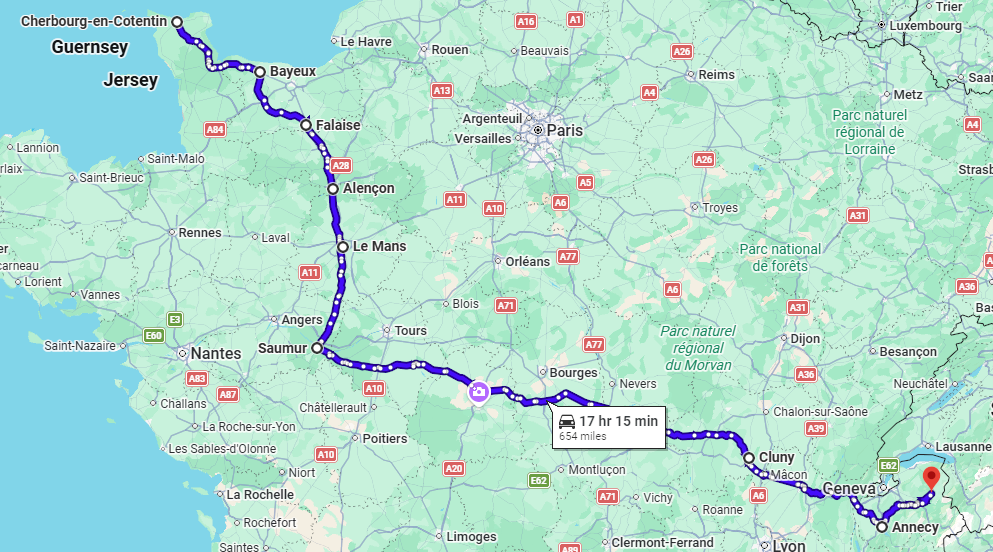
- Miles: 654
- Start: Cherbourg
- End: Les Gets
- Time: 1 to 2 days
- Suitability: all bikes and riders
Cherbourg
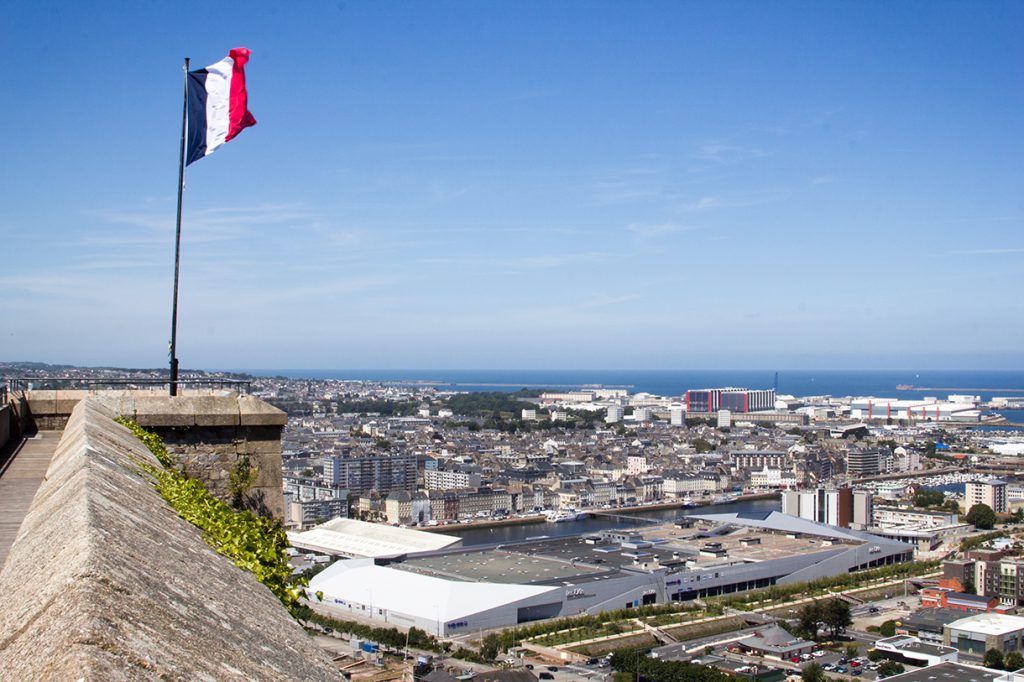
Cherbourg was a former commune and subprefecture situated at the northern tip of the Cotentin Peninsula in the northwestern French department of Manche. On 28 February 2000, it was incorporated into the commune of Cherbourg-Octeville, which subsequently became part of the newly established commune of Cherbourg-en-Cotentin on 1 January 2016.
Cherbourg, situated between La Hague and Val de Saire, is sheltered by Cherbourg Harbour and has long held strategic importance, contested by both the English and French. Described by Vauban as one of the “keys to the kingdom,” it was transformed through extensive maritime development into a premier military port under Napoleon I, housing an arsenal of the French Navy. In the early 20th century, it served as a prominent stop for prestigious transatlantic liners, and in 1944, it became the primary objective of US forces during the Normandy invasion.
In addition to serving as a military, fishing, and yachting port, it functions as a cross-Channel ferry terminal with routes to the English ports of Poole and Portsmouth, the Irish ports of Rosslare Harbour and Dublin, and St Helier on Jersey. Although its geographical isolation limits its potential as a major commercial port, it remains a significant shipbuilding hub and a working-class city with a surrounding rural hinterland.
Bayeux
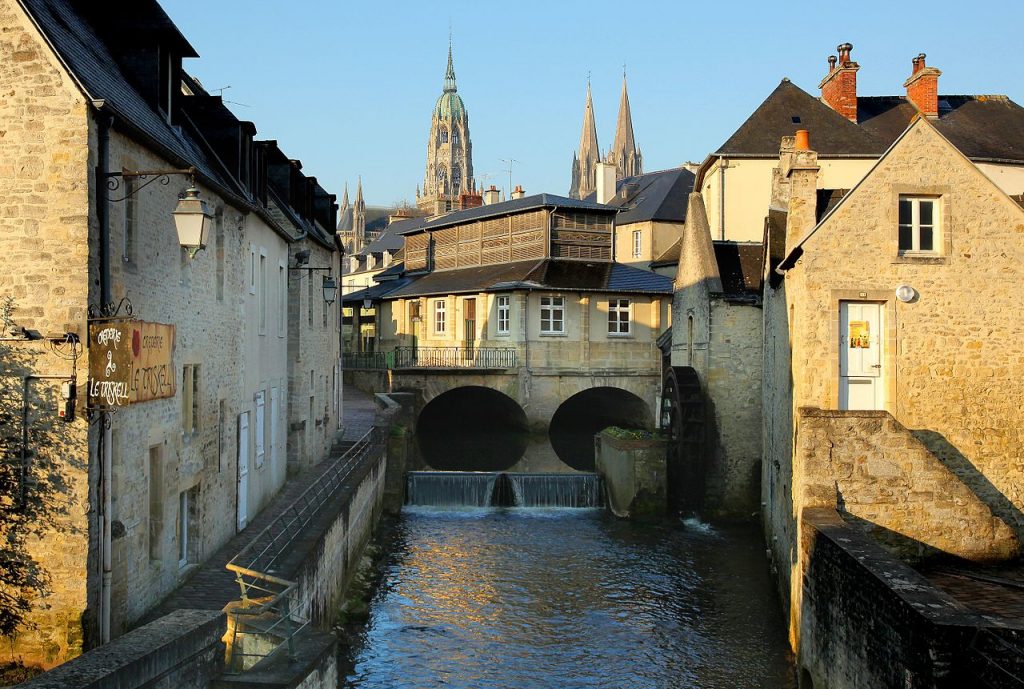
Bayeux is a historic commune located in the Calvados department of the Normandy region in north western France.
Bayeux is renowned for housing the Bayeux Tapestry, an extraordinary historical artifact that vividly illustrates the sequence of events preceding the Norman Conquest of England in 1066.
This town is recognized as the first major settlement liberated by the Allies during Operation Overlord following D-Day. It holds historical significance as the location where Charles de Gaulle delivered two of his most notable speeches.
Falaise
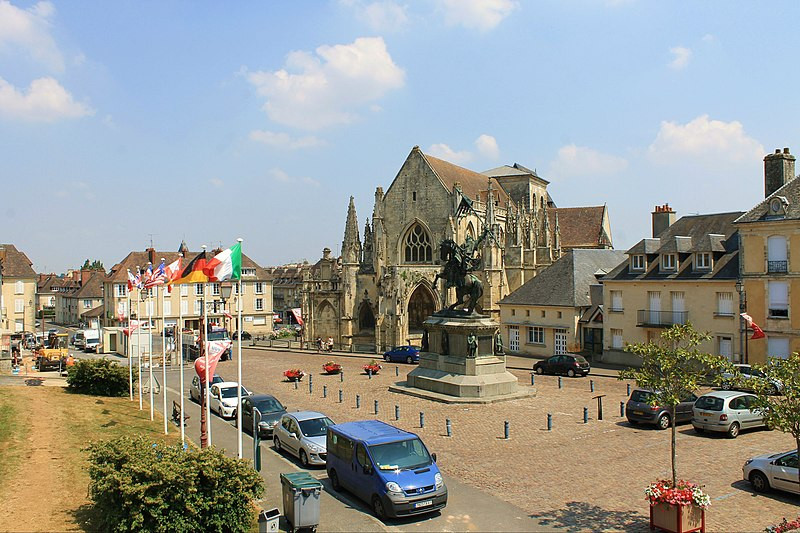
Falaise is a commune situated in the Calvados department within the Normandy region of northwestern France. It is renowned for its historical significance as the birthplace of William the Conqueror.
It was also at the heart of the area known as the Falaise Pocket, the decisive battle of the Normandy campaign in the Second World War.
Alencon
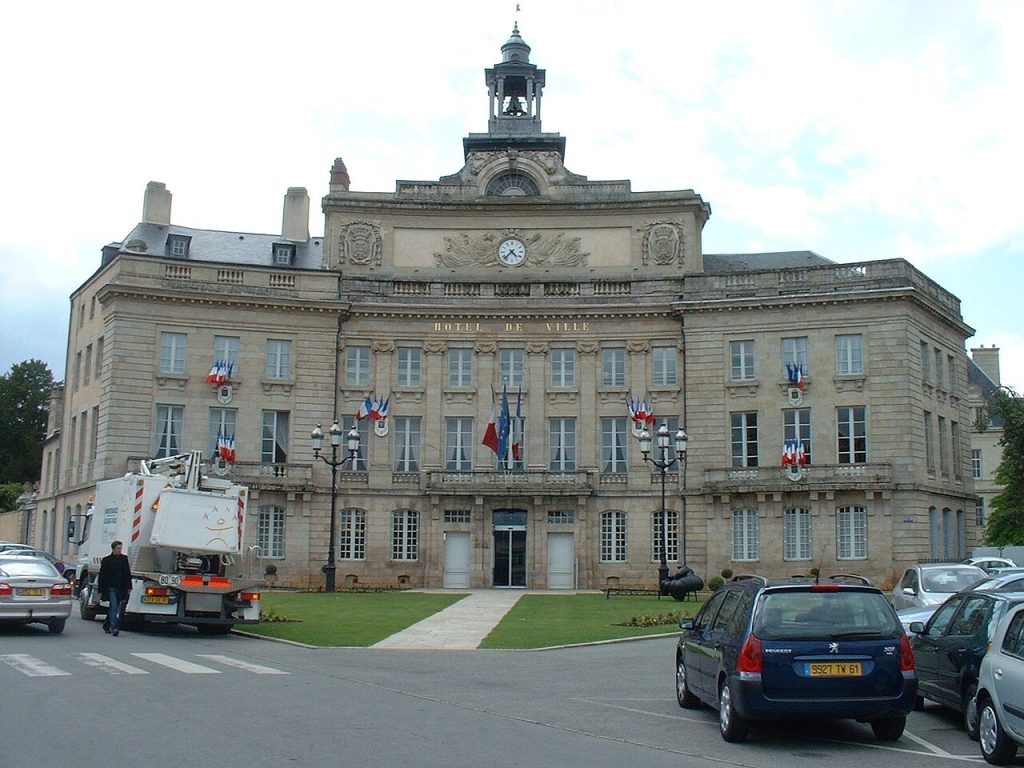
Alençon is a commune located in the Normandy region of France and serves as the capital of the Orne department. Positioned between Paris and Rennes, it lies approximately 173 kilometres (107 miles) west of Paris and just over 50 kilometres (31 miles) north of Le Mans. The city is part of the Alençon intercommunality, which had an estimated population of around 56,000 in 2018, with approximately 26,000 residents living within Alençon itself.
Le Mans
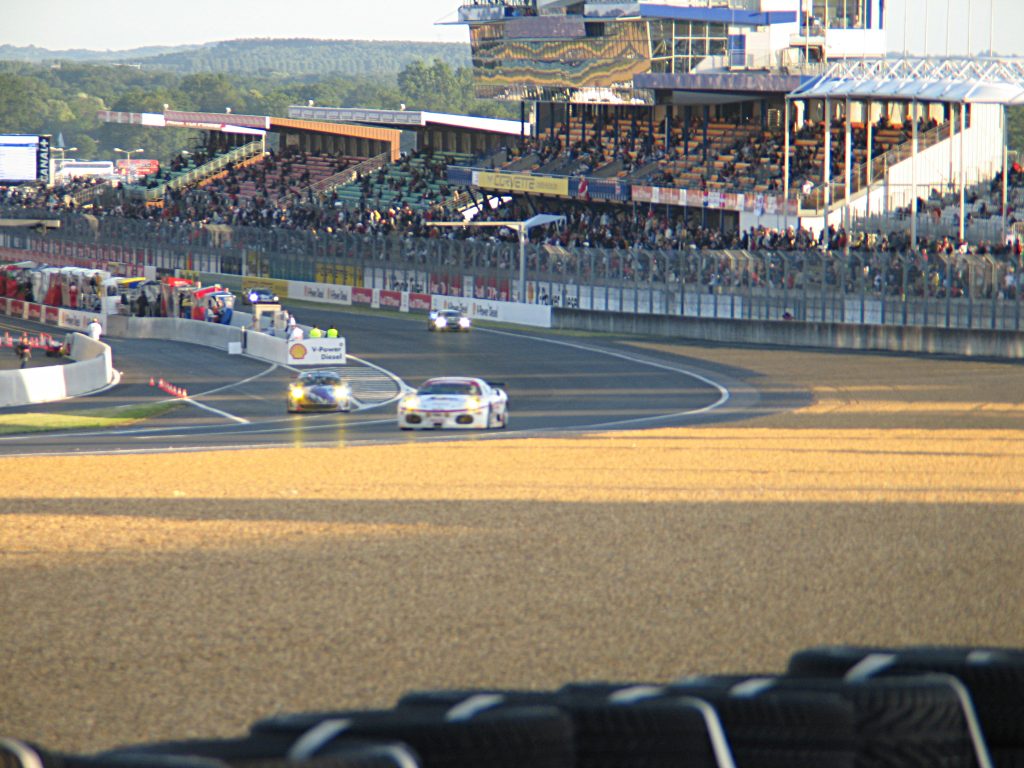
Le Mans is a city located in northwestern France, situated at the confluence of the Sarthe and Huisne rivers. Historically serving as the capital of the province of Maine, it now functions as the administrative center of the Sarthe department and is the seat of the Roman Catholic Diocese of Le Mans. The city is an integral part of the Pays de la Loire region.
The city’s residents are known as Manceaux for males and Mancelles for females. Since 1923, it has been the host of the 24 Hours of Le Mans, recognized as the world’s oldest active endurance sports car race. This renowned event ranks among the most prestigious and widely attended motor sports competitions globally.
Saumur
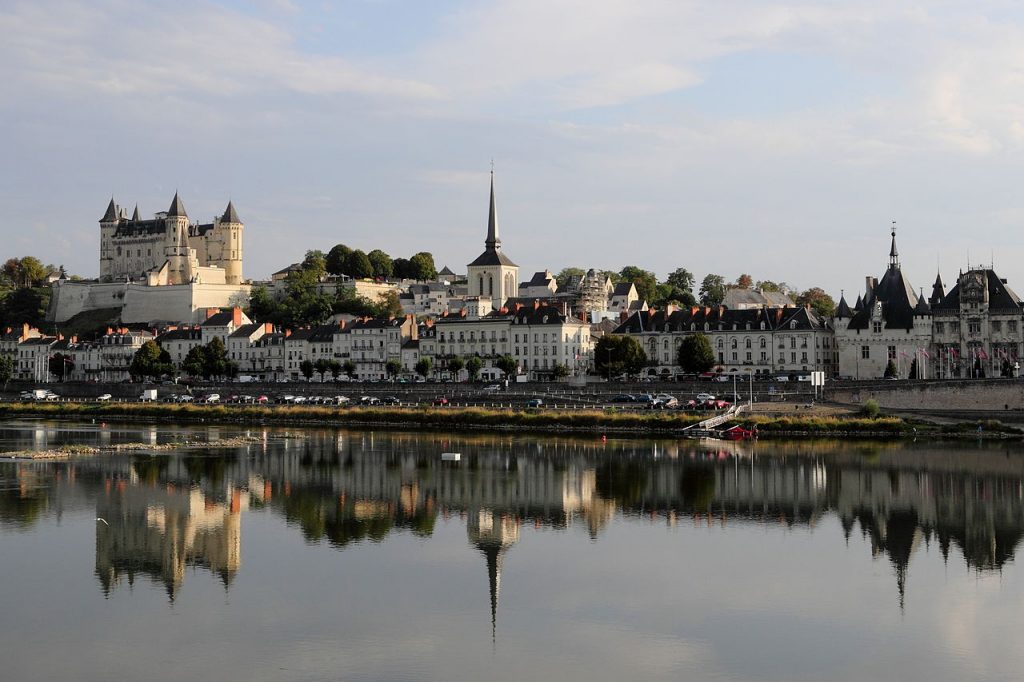
Saumur is a charming town in the Maine-et-Loire department of western France, known for its rich history, beautiful architecture, and vibrant culture. Nestled between the Loire and Thouet rivers, it’s surrounded by the scenic vineyards of Saumur, Chinon, Bourgueil, and Coteaux du Layon. The local train station connects easily to Tours, Angers, La Roche-sur-Yon, and Nantes.
Cluny
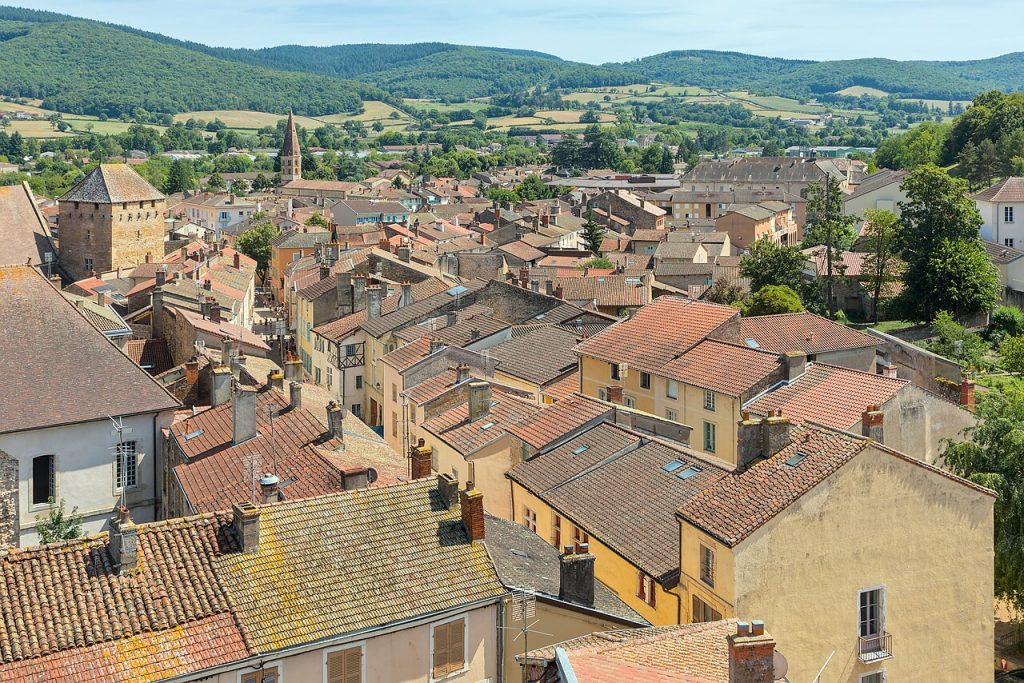
Cluny is a commune located in the eastern French department of Saône-et-Loire, within the Bourgogne-Franche-Comté region. Situated approximately 20 kilometers (12 miles) northwest of Mâcon, it is notable for its rich historical and cultural heritage.
The town developed around the Benedictine Abbey of Cluny, established by Duke William I of Aquitaine in 910. Cluniac influence peaked from the late 10th century to the early 12th. In 1562, the Huguenots sacked the abbey, destroying or seizing many of its precious manuscripts.
Annecy
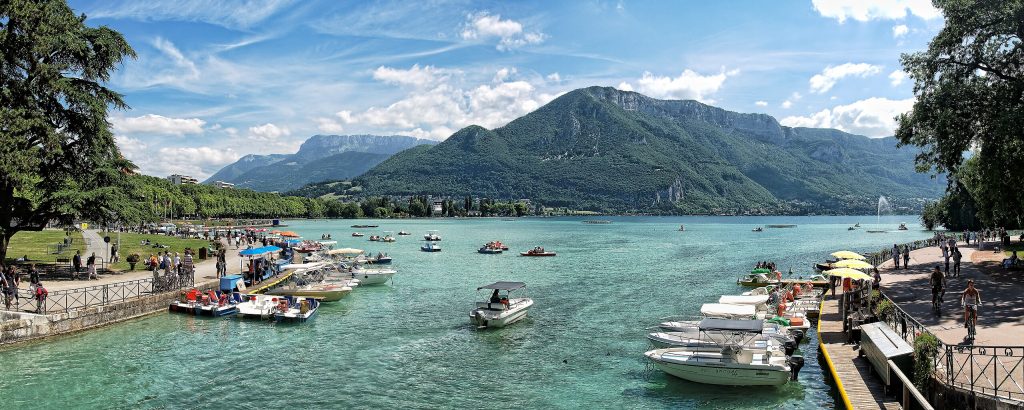
Annecy is the main city and prefecture of the Haute-Savoie department in the Auvergne-Rhône-Alpes region of southeastern France. It sits at the northern edge of Lake Annecy, about 35 kilometers (22 miles) south of Geneva, Switzerland.
Known as the “Pearl of the French Alps” in Raoul Blanchard’s monograph for its spot between the lake and mountains, the town sits at the northern entrance to the lake gorge. With little room to build between the water and the protected Semnoz mountain, its population held steady at about 50,000 since 1950. But after merging with several former communes in 2017, the city grew to 128,199 residents, with the urban area reaching 177,622, making Annecy the seventh largest in the Auvergne-Rhône-Alpes region.
Les Gets
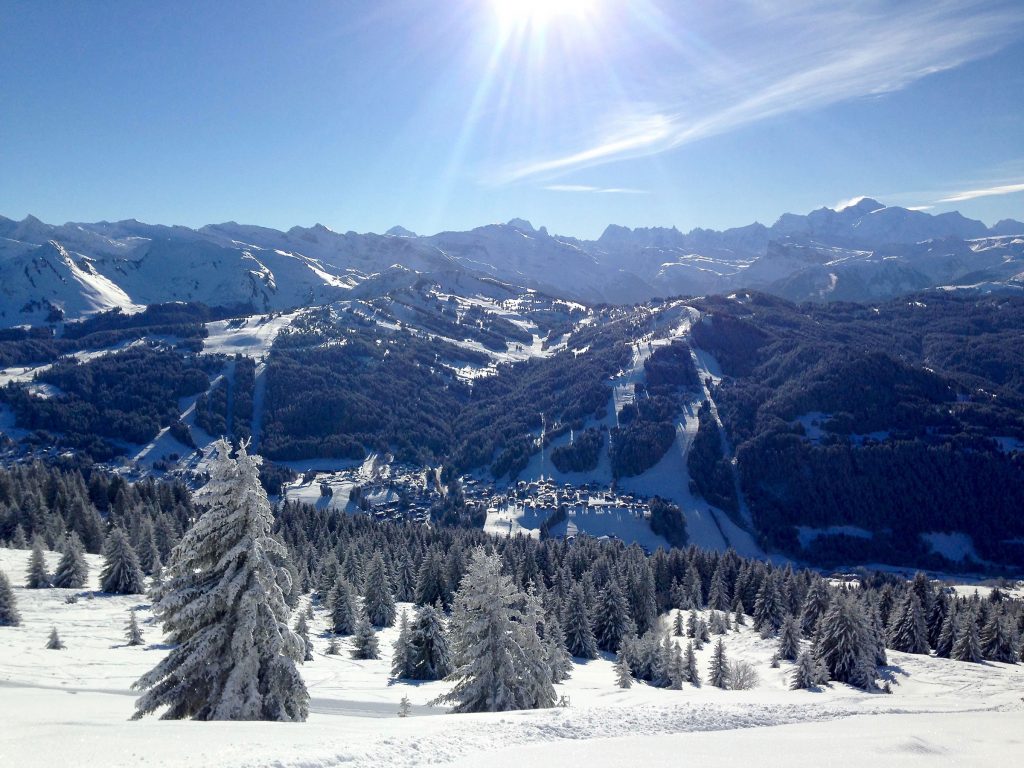
Les Gets is a commune located in the Haute-Savoie department, within the Auvergne-Rhône-Alpes region of southeastern France.
The village inaugurated its first single-person chair lift in 1938, followed by the introduction of the first chair lift on Mont Chéry in 1954.