Rides
Requirements
| Carnet de Passage | required |
| Insurance | required, buy at boarder |
| International driving permit | no, temporary driving permit (for 90 days) is required |
| Travel Visa | 30 days free, after that visa is required* |
China stretches from the icy reaches of Siberia in the north to the warm tropical shores in the south, making it a land of striking cultural and geographical contrasts. Nestled in East Asia and sharing borders with 14 countries, it’s a fantastic destination for international motorcycle adventures. Its varied landscapes offer routes through deserts, the towering mountain passes of Tibet, lush green valleys, and dramatic, rugged coastlines.
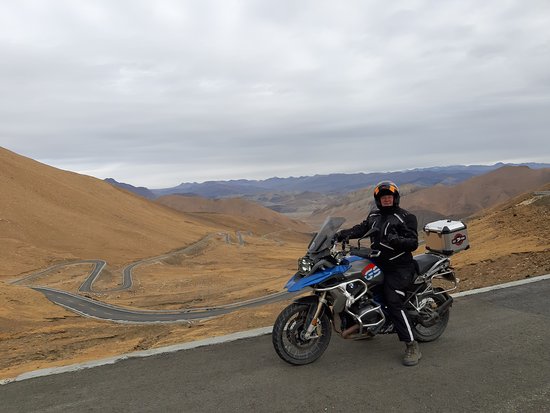
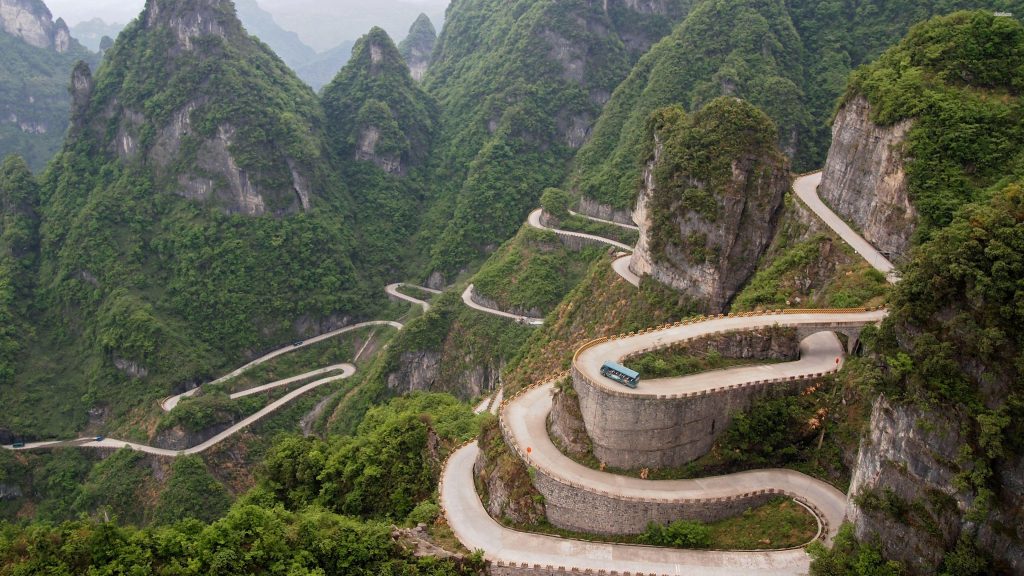
For off-road lovers, China is full of incredible routes, especially in places like Tibet, Xinjiang, and Yunnan, where roads snake through mountains, high passes, and deep gorges. Riding the Silk Road across the Gobi Desert or cruising through Sichuan’s lush hills and tea plantations promises unforgettable moments, with every bend revealing something new—from wild mountain landscapes to charming traditional villages. For those seeking a real challenge, the route through Tibet offers breathtaking high-altitude passes and sweeping views of the snow-capped Himalayas.
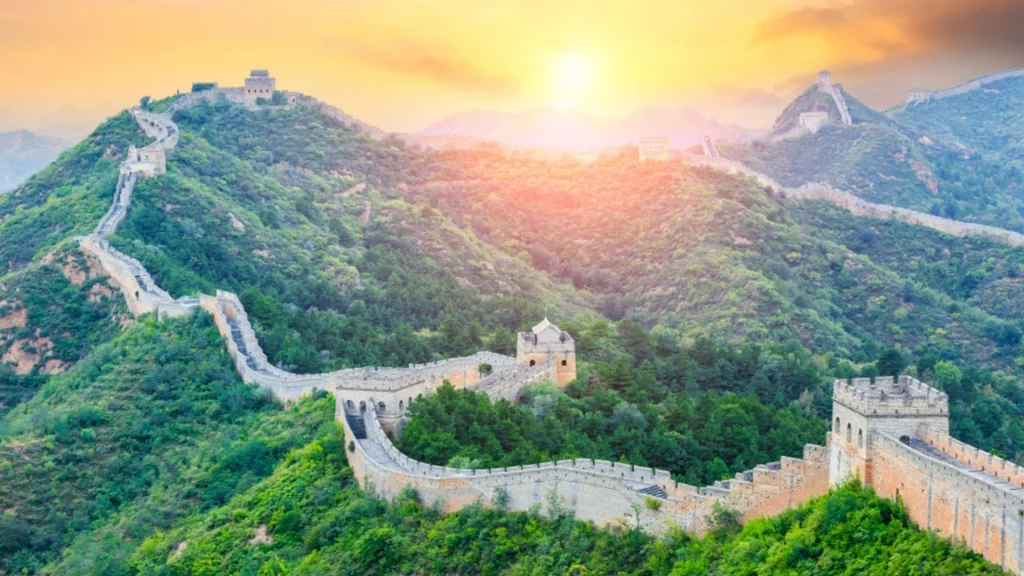
Exploring China by motorcycle is a one-of-a-kind way to soak in its rich culture, from Buddhist, Taoist, and Confucian temples to lively markets and local festivals. It’s a place where ancient traditions blend seamlessly with modern life. Riding to iconic spots like the Great Wall, the Forbidden City, or serene Buddhist monasteries turns the trip into both an adventure and a journey through centuries of history and heritage.
Chinese regulations mean you’ll need to plan ahead—permits, a guide, and local registration are all required, which can add a bit of an organizational hurdle. Still, for adventure seekers eager to go off-road in untouched parts of the world and immerse themselves in a fascinating culture, a motorcycle tour in China is truly the trip of a lifetime.
Unique attractions and highlights in China
While riding your motorcycle across China, you might come across countless unique attractions and authentic spots.
- Labrang Monastery in Xiahe (Gansu Province): One of the most important Tibetan monasteries outside Tibet. Visitors can join Buddhist ceremonies, see monks in traditional attire, and explore beautiful temples and stupas.
- Qomolangma Crater (Tibetan Base Camp of Mount Everest): Adventure at the base of the world’s highest peak on the Chinese side, where travelers can view the Everest panorama, including the base camp and the icy landscape of the Tibetan Himalayas.
- Badain Jaran Desert (Gansu Province): Known for the world’s largest sand dunes, reaching up to 500 meters, and hidden crystal-clear lakes. A paradise for off-road enthusiasts.
- Guilin and Yangshuo (Guangxi Province): Famous for unique karst formations, green hills, and winding rivers. Perfect for cycling tours, boat rides, and cave exploration along the Li River Valley.
- Enshi Grand Canyon (Hubei Province): A breathtaking scenic route through mountains and canyons, ideal for extreme riding and adventure photography.
- Hemu Village (Xinjiang Province): A picturesque village inhabited by the Tuva ethnic group, preserving a traditional nomadic lifestyle amid wild nature.
- Zhangye Danxia Geopark (Gansu Province): The colorful Danxia mountains are a geological wonder with hues of red, orange, and brown, creating surreal landscapes.
- Yarlung Zangbo Grand Canyon (Tibet): Deeper and longer than the Grand Canyon in the U.S., surrounded by the highest Himalayan peaks.
- Kanas Lake (Xinjiang Province): Located in a nature reserve, this lake is surrounded by mountains and forests, known for mysterious sightings of mythical water creatures.
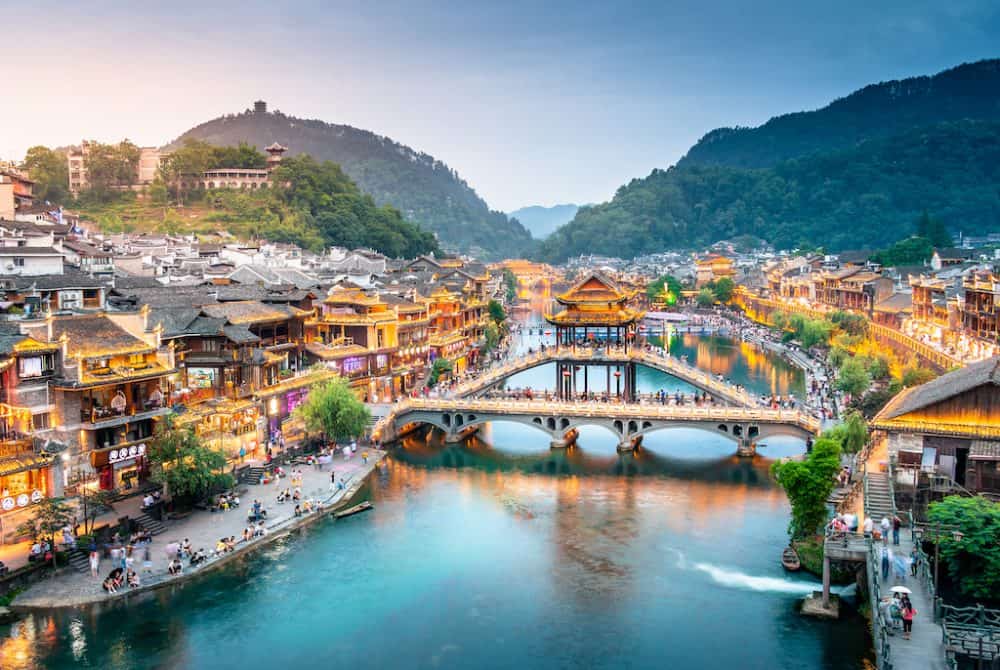
- Fenghuang City (Hunan Province): A beautiful, historic town with traditional wooden houses from the Ming and Qing dynasties, located along the Tuo River.
- Qinhai Lake (Qinghai Province): The largest saltwater lake in China, surrounded by mountains and steppes, famous for bird migrations.
- Nathu La Pass (Tibet-India border): A historic Silk Road trading point connecting China and India, offering incredible Himalayan views.
China is a dream destination for motorcycle lovers, with everything from bustling cities and historic landmarks to the wild beauty of the Tibetan Plateau. Each ride is a chance to dive into its rich, ancient culture, surrounded by stunning scenery and memorable experiences.
Weather and Climate
China’s vast size gives it an incredible variety of climates, ranging from tropical warmth to arctic cold.
- Northern China (e.g., Beijing, Inner Mongolia): Winters are very cold, with temperatures often dropping below -20°C, while summers are hot and dry.
- Eastern Coast (e.g., Shanghai, Zhejiang): Characterized by a monsoon climate, with hot and humid summers and milder, cooler winters.
- Southern China (e.g., Guangdong, Hainan): The region experiences a subtropical climate, with hot, rainy summers and warm winters. Tropical storms are common, especially during the typhoon season.
- Tibet and the Tibetan Plateau: This area has a harsh mountain climate. Winters are very cold, while summers are cool, with significant temperature differences between day and night.
- Western China (e.g., Xinjiang, Gansu): A desert region where summers are hot and dry, and winters are freezing.
Tibetan plateau and natural wonders
The Tibetan Plateau boasts some of the world’s most breathtaking landscapes. From the crystal-clear waters of Namtso Lake to the towering heights of the Himalayas, traveling through Tibet by motorcycle offers endless chances to discover untouched beauty. Nature reserves like the Qomolangma National Nature Preserve are perfect havens for both wildlife and adventure lovers.
For those craving the ultimate motorcycle adventure in Tibet, the remote regions of Ngari, Nagqu, and Nyingchi offer endless opportunities for both motorcycle and 4×4 expeditions. These areas boast rugged, untouched landscapes that attract only the most determined and adventurous riders.
Riding in China
You need understandable documents.
As a tip, it is to laminate all of your key documents or otherwise waterproof them. It is also highly recommended to scan all your original documents and email them to an easily accessible email address.
It is also worth printing off the Constat Amiable D’accident Automobile, which is used across numerous and other countries (the downloadable one on our website has English as well as French).
Speed limits.
Unless otherwise stated by appropriate signs, the following national speed limits apply:
Expressways 75 mph (120 km/h) [minimum speed limit 37mph (60 km/h)]
Semi expressways 62 mph (100 km/h)
National highways 50 mph (80 km/h)
City roads 25 mph (40 km/h)
Please note, this page was correct when written in November 2025.