
The CBR600F is like the cool uncle of Honda’s CBR family, hailing from the classic era before the Honda went all-in on the supersport scene.
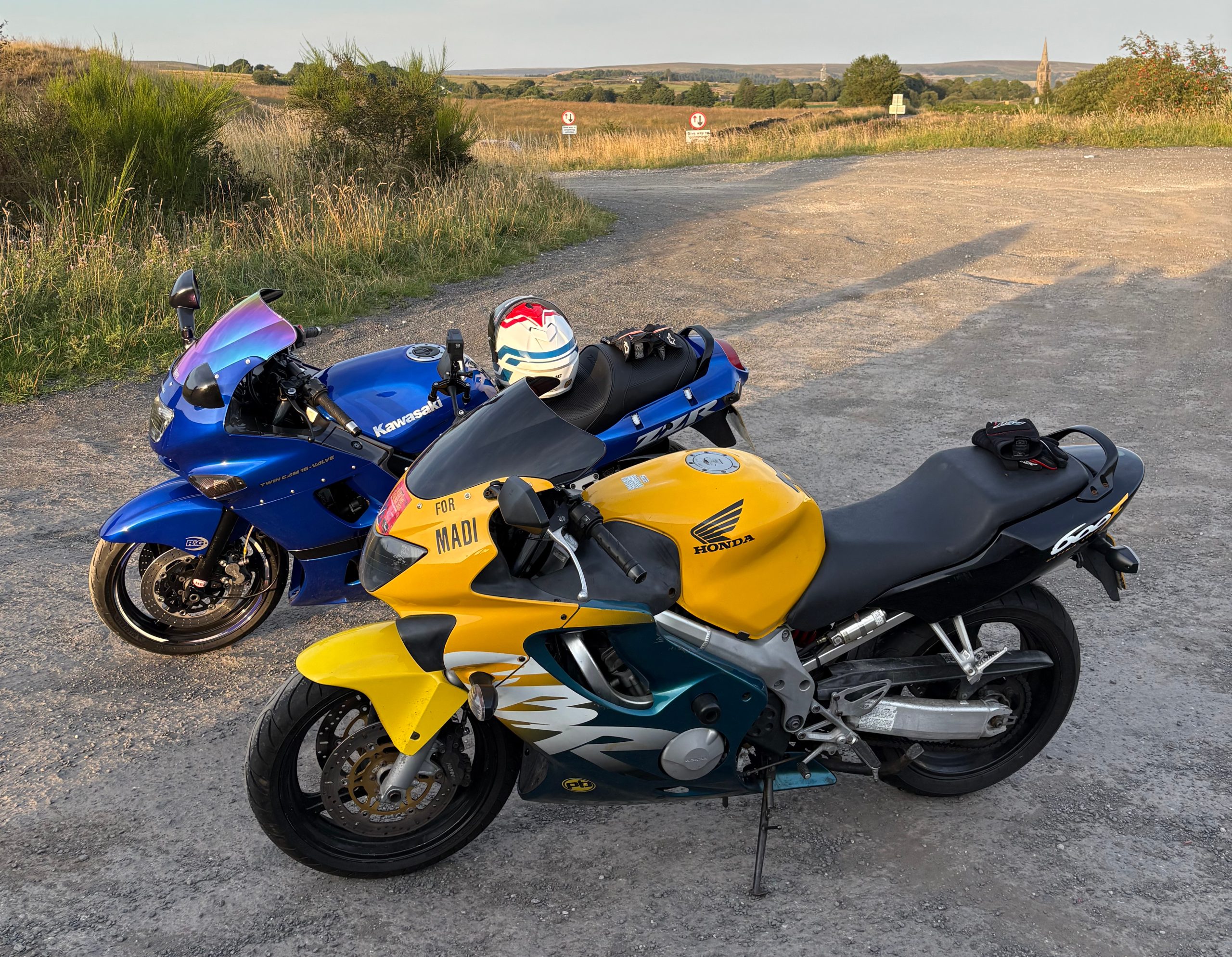
The CBR600F is often considered the overlooked sibling of the CBR600RR, being slightly less sleek, slower, and not as visually striking. However, it remains a well-built, dependable motorcycle with a commendable reputation for reliability. Featuring a comfortable riding position, a less high-revving engine, and a practical pillion seat, it excels an all-around, everyday machine. Its versatility allows it to perform admirably on the track one day and transition seamlessly into a capable touring bike the next.
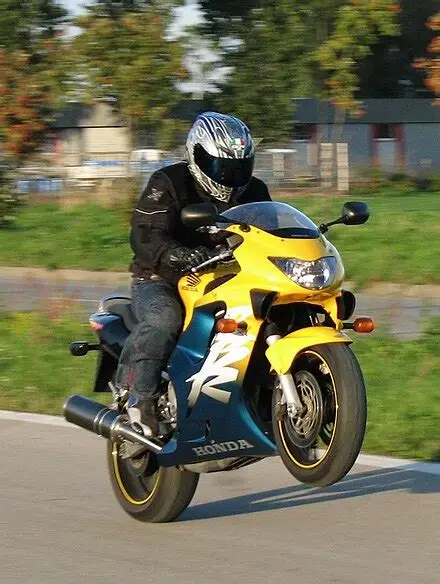
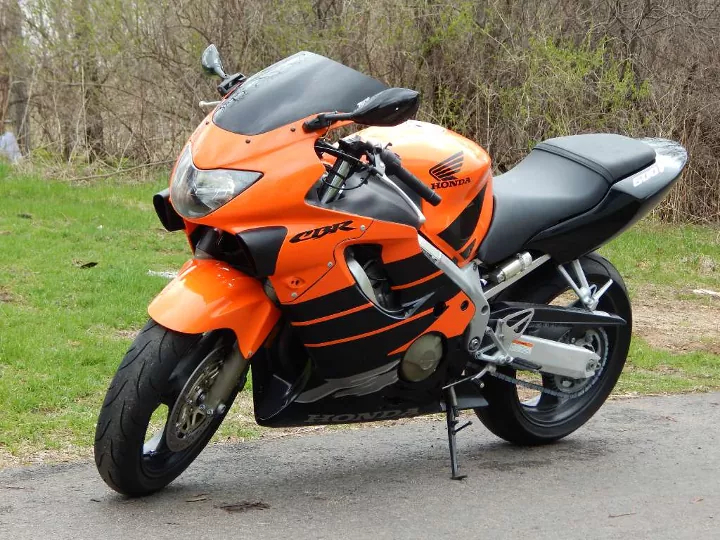
The CBR 600 F4 was a middleweight sports bike from Honda that was heavily redesigned for the November 1998 release to compete with Kawasaki’s ZX6R Ninja and the much newer and radical Yamaha YZF-R6.
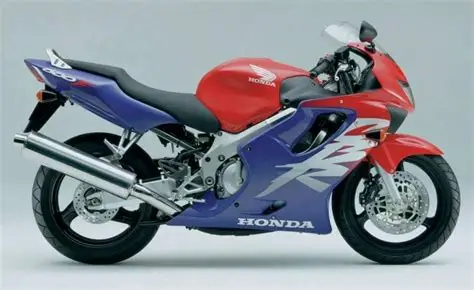
Everything changed when Honda introduced the groundbreaking F4. Before 1999, the CBR lineup was known for its steel frames and considerable weight, but the F4 revolutionized the series. Produced between 1999 and 2000, the CBR600F4—known as the CBR600F-X in Europe—marked the final chapter of the carburetted CBR600 sport bikes. It featured a completely new aluminium-alloy twin-spar frame that shaved off significant weight, while the innovative engine crankcase design incorporated the swingarm pivot for enhanced rigidity and handling. By reducing internal friction and weight, and integrating larger valves, a shorter stroke, and a bigger bore, the engine achieved higher maximum operating revolutions. The spark plug caps now housed built-in ignition coils, slightly larger carburettors improved fuel delivery, and the oil cooler was relocated beside the oil filter for better efficiency. The suspension received a major upgrade with robust 43-millimetre (1.7-inch) forks incorporating Fireblade components. Braking performance was enhanced with upgraded dual front discs, and the rear wheel expanded to 180 millimetres in width, complemented by sleek new three-spoke wheels. This was a machine designed to thrill, blending cutting-edge engineering with Honda’s signature performance pedigree.
The phrase “Dedicated to Super Evaluators Dirk Vandenberg and Josef Boyd” is embossed in raised letters on the inside of the F4’s upper fairing, serving as a tribute to two of Honda R&D’s senior product developers who tragically lost their lives during the final testing of this model.
Performance-wise, even by today’s standards, it’s a quick bike. While it didn’t quite have the racing image of the Yamaha R6 or the ‘bad boy’ vibe of the ZX6R Ninja or GSXR600, it could easily keep up with and often beat most of the competition, and it was even used in stock 600cc racing series. What really set the CBR600 apart was Honda’s reliability and the comfort it offered—unlike other bikes that had you squirming after 25 miles, you could ride 300 miles or spend an entire day in the saddle without issue. The only real downside was its frustratingly small fuel tank range (about 120 miles, or 110 if pushed hard!), which meant long trips required staying within reach of a petrol station.
The bike boasted a claimed 110bhp, translating to about 94hp at the rear wheel, with a 0 to 62 time of 3.2 seconds and a top speed of roughly 158mph (and yes, it can actually hit that… or so I’ve heard!). Performance parts were easy to find thanks to the popularity of the model, and more specialized components like rear sets and racing cams were also available due to its use in racing.
Buying advice…
Firstly, if you’re thinking of buying one, always get an HPI check done (there are still plenty around, so there’s no point risking ending up with a lemon!).
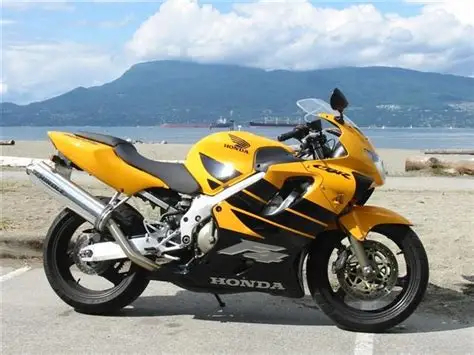
A good, reliable bike from Honda, with thousands sold and plenty still around. Mileage isn’t much of a concern as long as it’s had regular oil and filter changes, and the cam chain has been replaced at the recommended service intervals—since a snapped cam chain can ruin the engine!
There are plenty of ex-racers out there, and after a tough life on the track, they can come with plenty of small, nagging issues. Since there are so many of these bikes around, it might be worth going for a non-raced example if your budget allows. Racing bikes are often recognizable by details like drilled sump plugs and other modifications.

Article written by Nige.
Last update: August 2026
Nige commutes to work on one of his ‘trusty’ bikes throughout the year, no matter the weather.
He has ridden all over the UK and mainland Europe. He has owned more bikes than he likes to admit to.
We may receive a commission if you purchase a product using the affiliate links on any page of this website. This is at no cost to the purchaser, however does support our website and helps us to continue to build with more great content.