Ride.
From roaring waterfalls to ancient temples, dramatic coastlines to hidden forges.
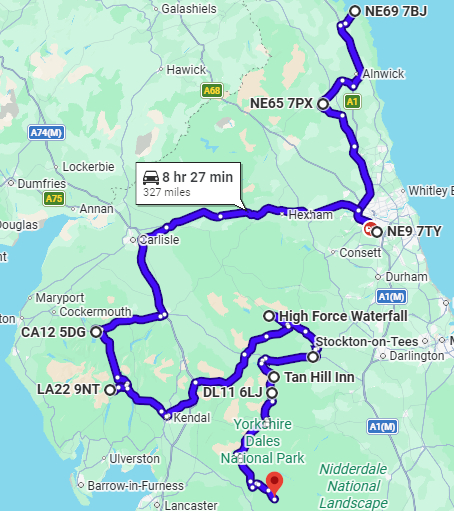
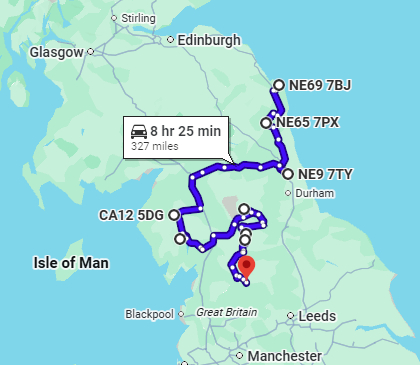
- Miles: 327
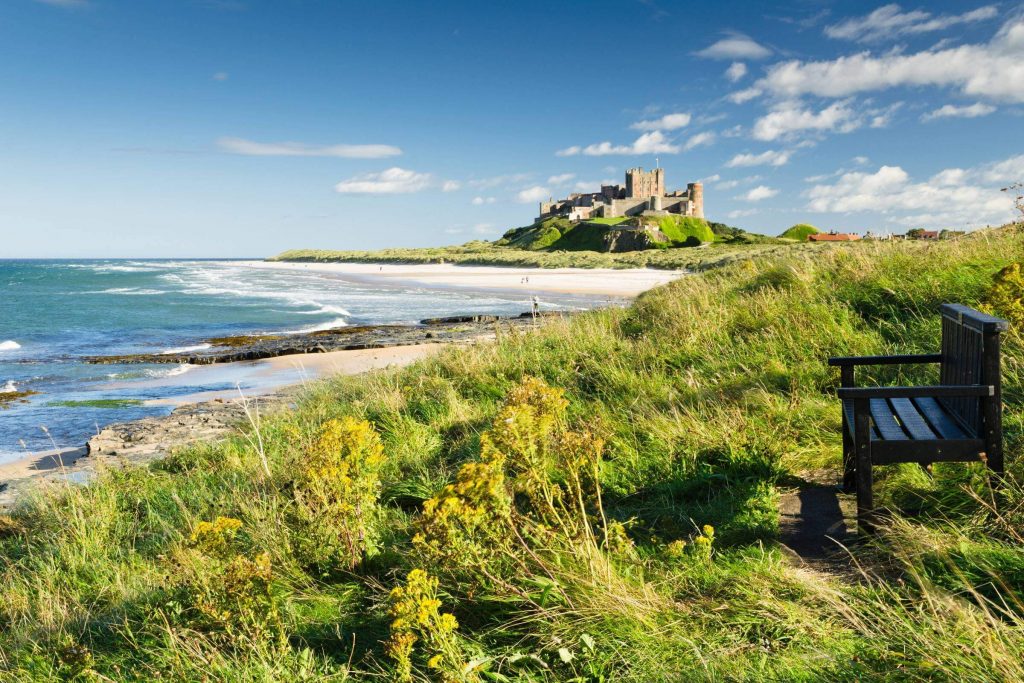
- Start: Bamburgh Castle & Beach, Northumberland
- End: Malham Cove, Yorkshire
- Time: 1 to 3 days
- Suitability: all bikes and riders
- Accommodation: many B&B’s and campsites throughout route
- Bamburgh Castle & Beach NE69 7BJ
- Cragside NE65 7PX
- Angel of the North NE9 7TY
- Derwentwater CA12 5DG
- Cathedral Cave LA22 9NT
- High Force Waterfall DL12 0HZ
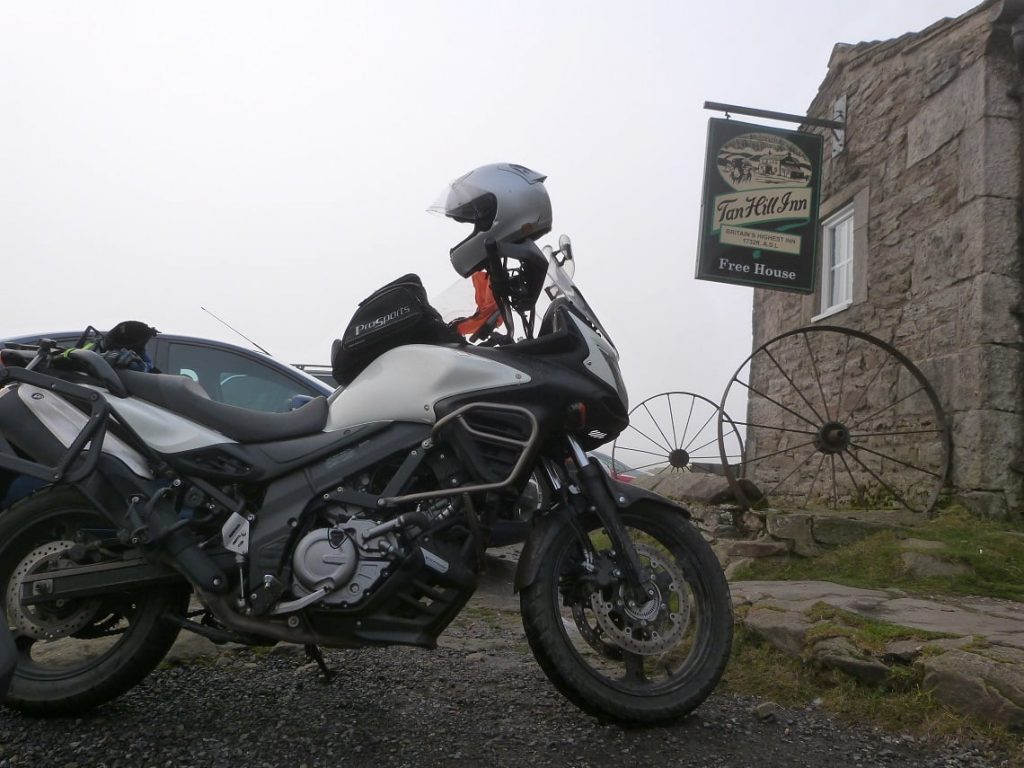
- Tan Hill Pub DL11 6ED
- Kidson Force DL11 6LJ
- Malham Cove BD23 4DJ
Bamburgh Castle & Beach.
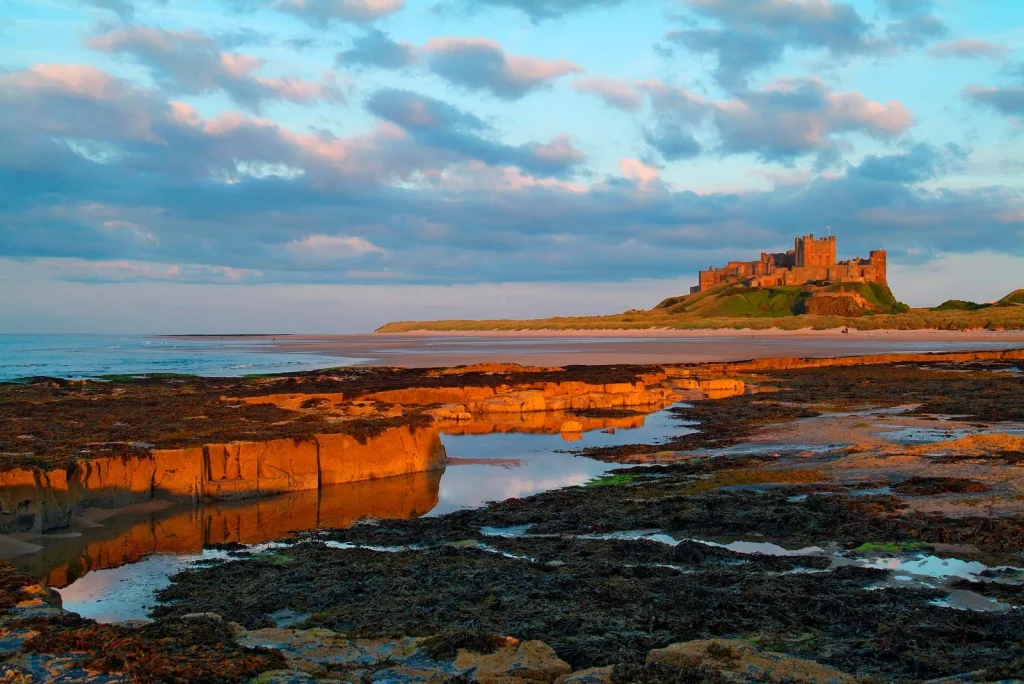
NE69 7BJ
Bamburgh Castle, situated on the northeast coast of England near the village of Bamburgh in Northumberland, is a Grade I listed building.
In the 17th century, financial hardships caused the castle to fall into disrepair, but it was restored by various owners during the 18th and 19th centuries. Eventually, it was purchased by Victorian-era industrialist William Armstrong, who completed its restoration. Today, the castle is open to the public and owned by Francis Watson-Armstrong, son of the 3rd Baron Armstrong.
Cragside
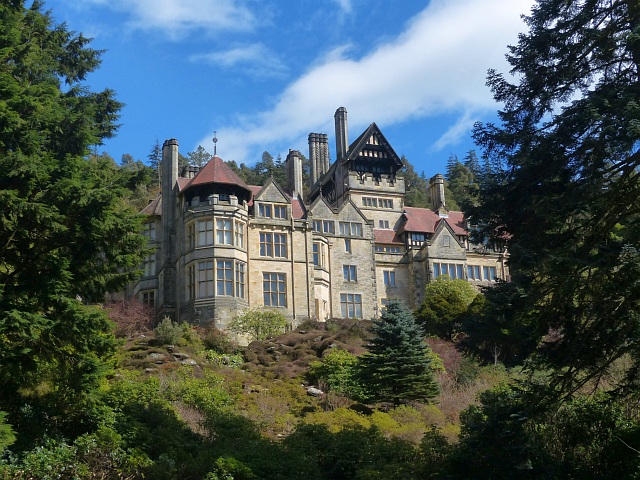
NE65 7PX
Cragside is a Tudor Revival country house located near Rothbury in Northumberland. Built during the Victorian era, it was the residence of William Armstrong, 1st Baron Armstrong, founder of the Armstrong Whitworth armaments firm. An industrial magnate, scientist, philanthropist, and inventor of the hydraulic crane and the Armstrong gun, Armstrong also demonstrated his ingenuity in the domestic realm, making Cragside the first house in the world to be illuminated by hydroelectric power. The estate was remarkably advanced for its time; architect Richard Norman Shaw noted it was equipped with “wonderful hydraulic machines that do all sorts of things.” On the grounds, Armstrong constructed dams and lakes to power a sawmill, a water-powered laundry, early versions of a dishwasher and dumbwaiter, a hydraulic lift, and a hydroelectric rotisserie.
Angel of the North
NE9 7TY
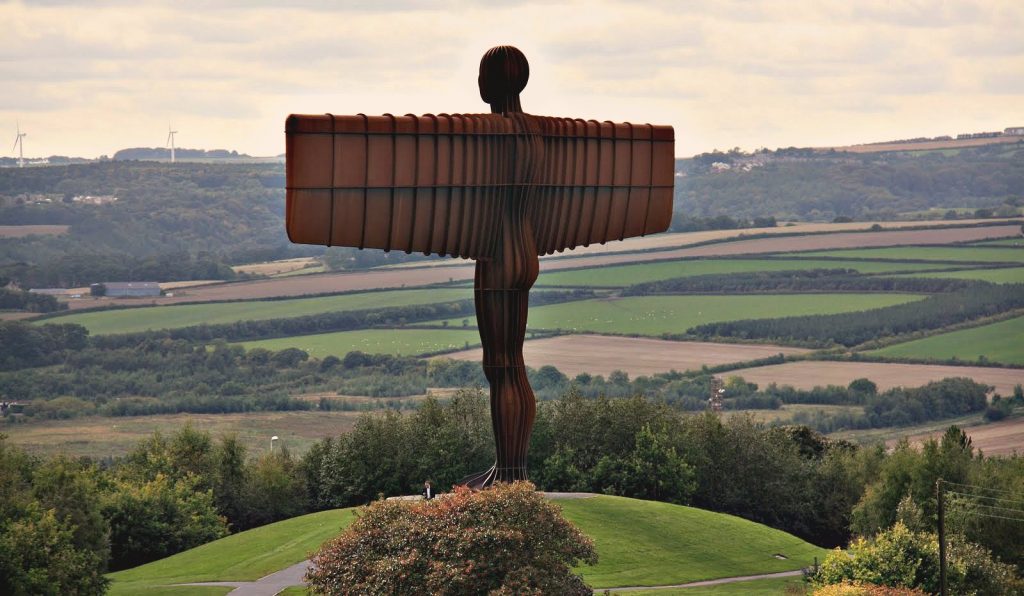
The Angel of the North is a modern sculpture by Antony Gormley, located in Gateshead, Tyne and Wear, England. Finished in 1998, it draws around 33 million visitors each year thanks to its spot near the A1, A167, and the East Coast Main Line. Inspired by Gormley’s own body, it’s made from COR-TEN weathering steel, giving it a unique rusty, weathered look. Standing 20 metres (66 ft) tall with a wingspan of 54 metres (177 ft), its vertical ribs act as an external skeleton, directing wind into the foundations so it can handle speeds of over 100 miles per hour (160 km/h).
Derwentwater
CA12 5DG
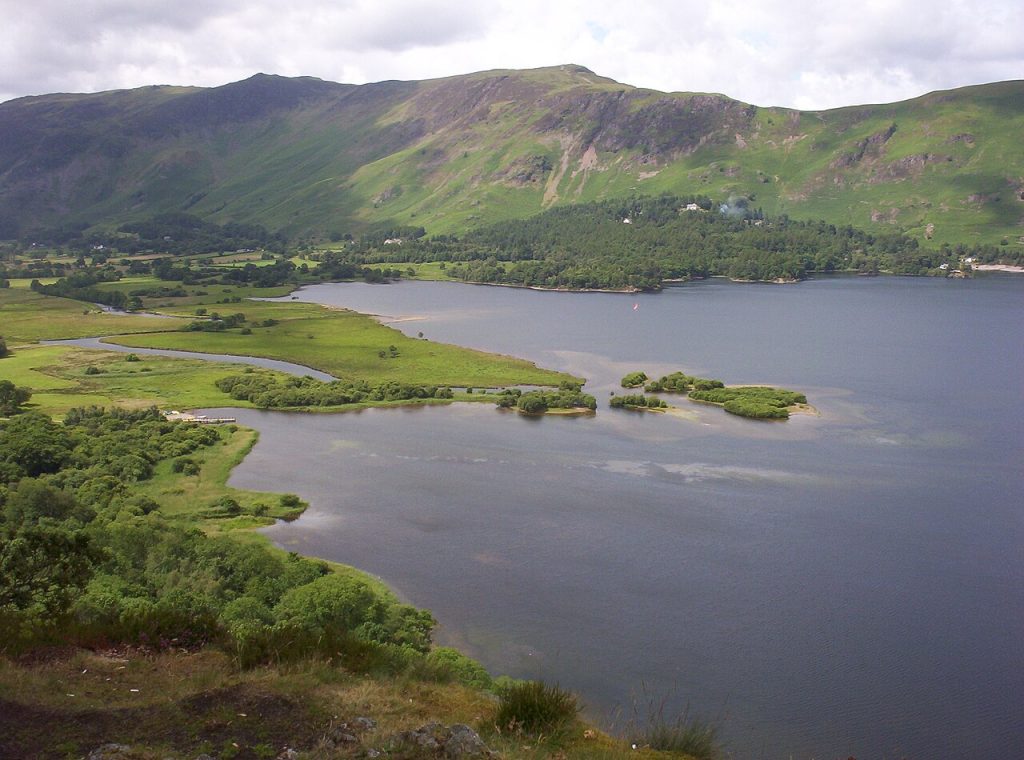
Derwentwater, also known as Derwent Water, is a beautiful lake in the Lake District of North West England, just south of Keswick. Located in the unitary authority of Cumberland within Cumbria, it’s the third largest lake in the area after Windermere and Ullswater. It stretches 4.6 kilometres (2.9 mi) in length, up to 1.91 kilometres (1.19 mi) wide, and covers 5.4 square kilometres (2.1 sq mi). The River Derwent serves as both its main inflow and outflow, eventually passing through Bassenthwaite Lake before reaching the Irish Sea at Workington. The lake is dotted with several islands, including one that is inhabited.
Cathedral Cave
LA22 9NT
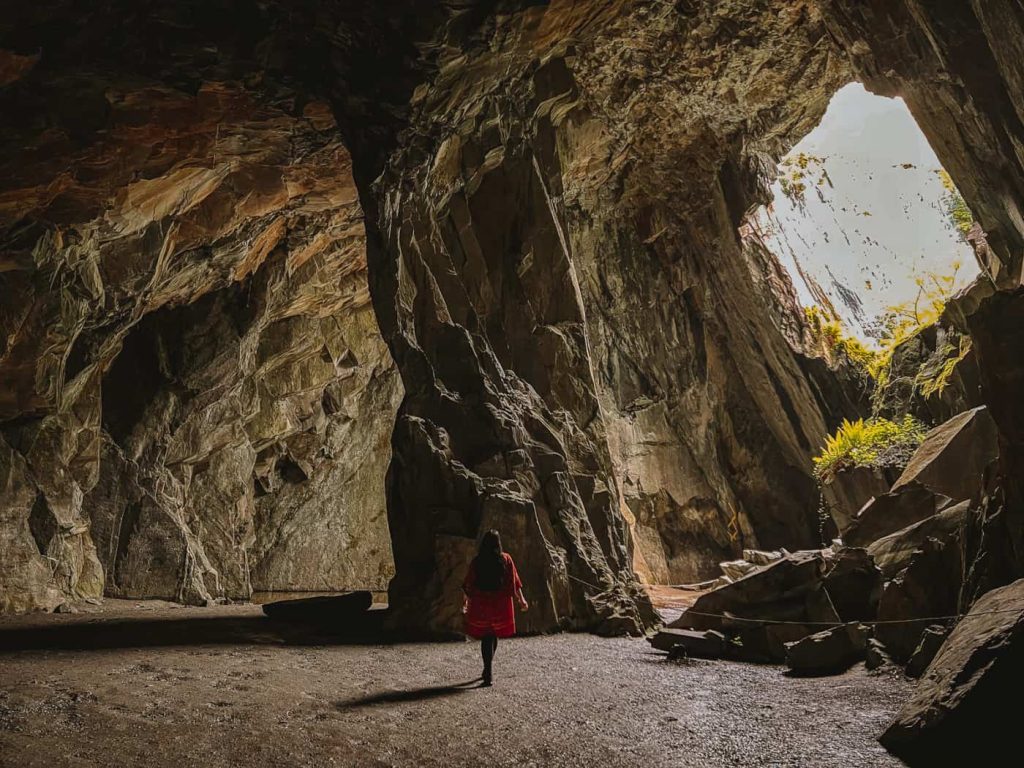
One of the most breathtaking caves in the Lakes, Cathedral Quarry draws crowds year after year for good reason. Also called Cathedral Cave, this captivating spot is famous for the massive opening in its main chamber, which floods the space with light in a way that’s reminiscent of a stained-glass window in a grand cathedral.
High Force Waterfall
DL12 0HZ
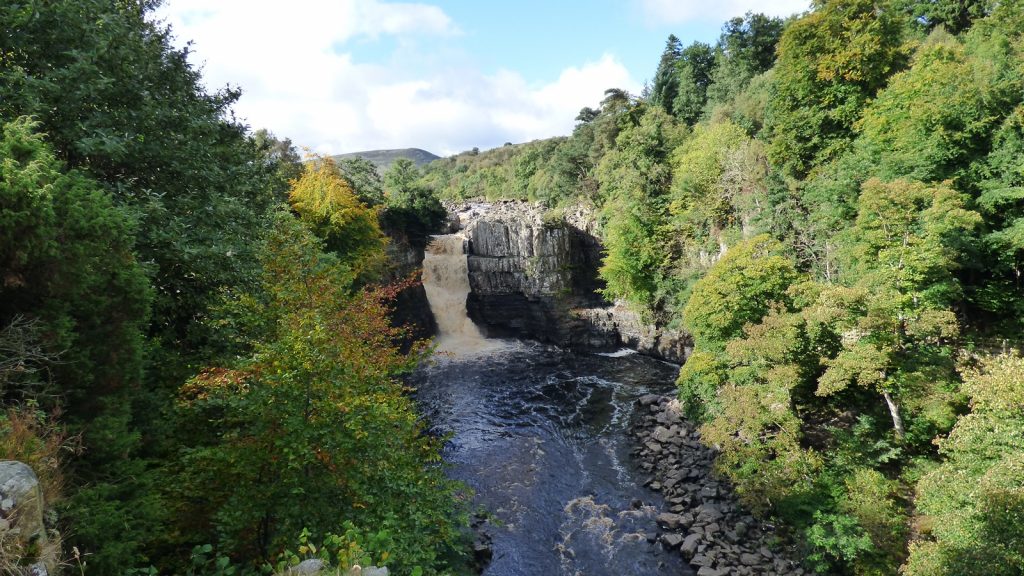
High Force is a stunning waterfall on the River Tees, near Middleton-in-Teesdale in Teesdale, England. Located within the North Pennines Area of Outstanding Natural Beauty and the European Geopark, the entire river drops 70 feet (21 m) over a nearly vertical cliff in two stages. After heavy rain, water also spills over the normally dry right-hand channel, creating twin falls. On rare occasions, the river rises high enough to flow over the central rock section, as it last did in December 2015 after Storm Desmond. In harsh winters, the falls can freeze, forming breath taking, cathedral-like ice structures.
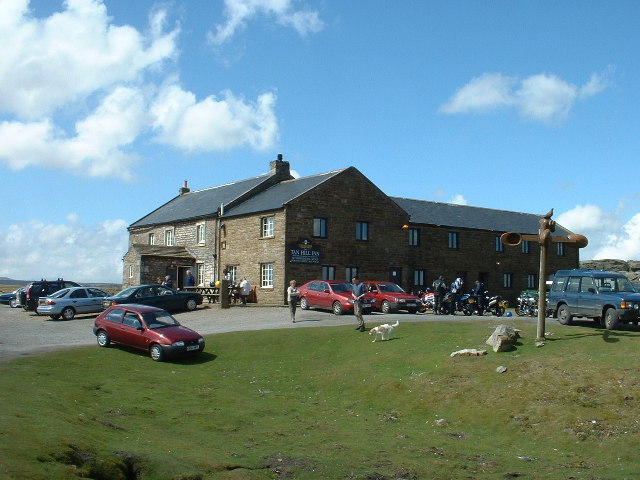
Tan Hill Inn
DL11 6ED
The Tan Hill Inn, located in Tan Hill, North Yorkshire, holds the title of the highest pub in the British Isles, sitting 1,732 feet (528 m) above sea level. The Guinness Book of World Records notes it as slightly higher than the Cat and Fiddle Inn in the Peak District, which stands at 1,690 feet (520 m).
The Inn also has rooms to rent.
Kidson Force
DL11 6LJ
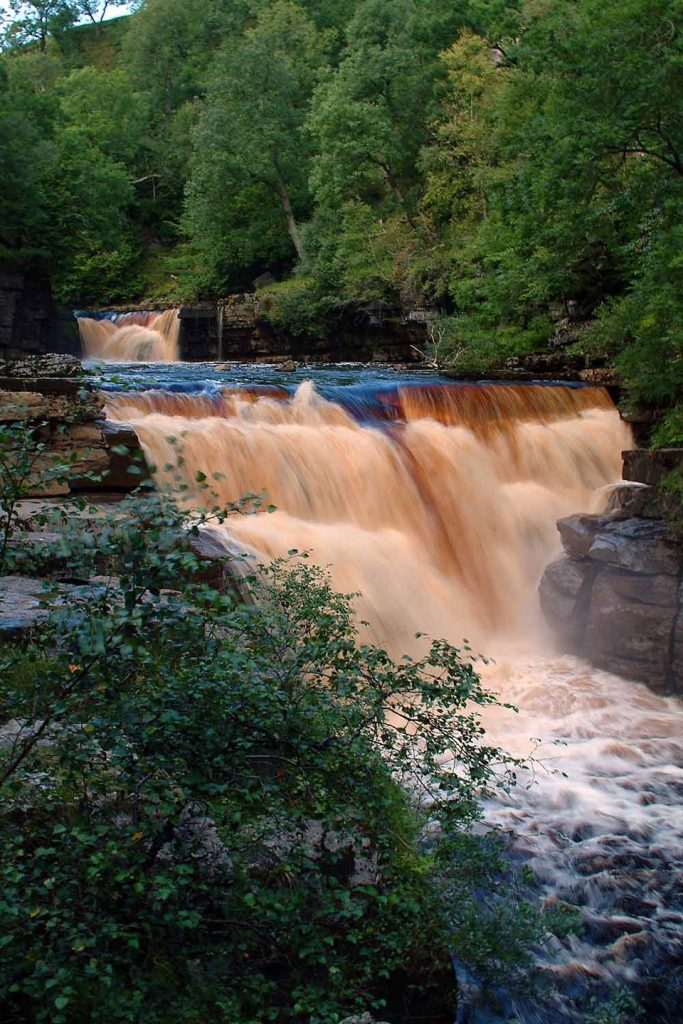
Kisdon Force is a group of waterfalls along the River Swale in Swaledale, England. Found in the Yorkshire Dales National Park, they sit about 500 metres downstream from the small hamlet of Keld. It’s one of several waterfalls in the area, including East Gill Force, Catrake Force, and Wain Wath Force. These falls form where the river carves a gorge through Carboniferous Limestone between the hills of Kisdon and Rogan’s Seat. The name “force” comes from the Norse word fors or foss, meaning “waterfall.”
The falls tumble 10 metres (33 ft) over two cascades, surrounded by Kisdon Force Woods, a 38-hectare Site of Special Scientific Interest filled with mixed broad-leaved trees like ash, wych elm, and rowan. In spring, the area bursts with primroses, creating a vibrant display. A scenic riverside path from Keld offers easy access to the falls.
Malham Cove

BD23 4DJ
Malham Cove is a striking curved limestone formation about 0.6 miles (1 km) north of Malham village in North Yorkshire, England. It was created over 12,000 years ago by a huge waterfall carrying meltwater from glaciers at the end of the last Ice Age. Now a popular beauty spot and rock climbing site in the Yorkshire Dales National Park, it’s topped by an impressive limestone pavement. Back then, an Ice Age river plunged here as an 80 m (260 ft) high, 300 m (980 ft) wide cataract, and the force of the water eroded the lip more than the sides, giving the cove its distinctive curve.