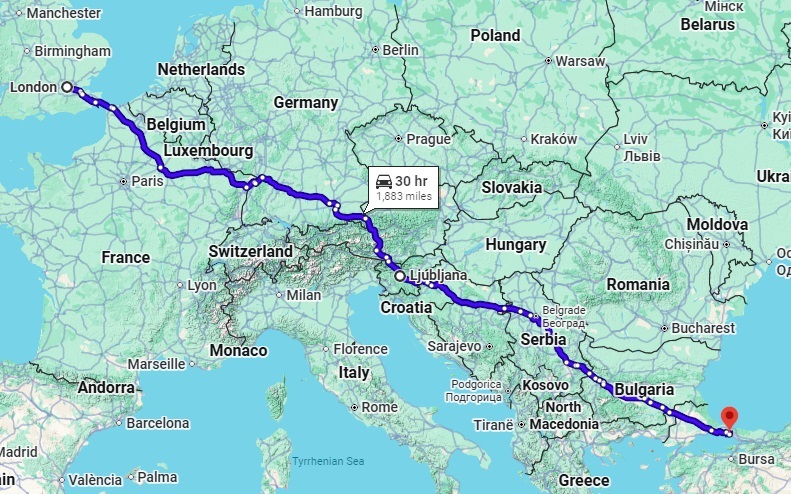
Commencing in Great Britain, embarking on a journey across mainland Europe, traversing the Balkans, and concluding in Turkey.
This is planned as a quick trip with the total round trip being seven to ten days. On purpose the return journey has not been completed, there are many options including up through Romania and into Poland.
| Section | Duration | Distance |
|---|---|---|
| London → Dover | 1 hr 40 min | 69 miles |
| Calais → Ljubljana | 13 hr 40 min | 899 miles |
| Ljubljana → Istanbul | 14 hr 10 min | 915 miles |
Overnight stop recommended for the way there are Ljubljana, the capital of Slovenia. While this may seem unusual given that the first day involves traveling from London to the ferry or train, it is important to note that many travellers will not be departing from London. For instance, those starting from the North West, such as myself, face an additional six to seven hours of travel to reach Dover before even commencing the crossing, that said, if you live near Dover then two days may be all you need.
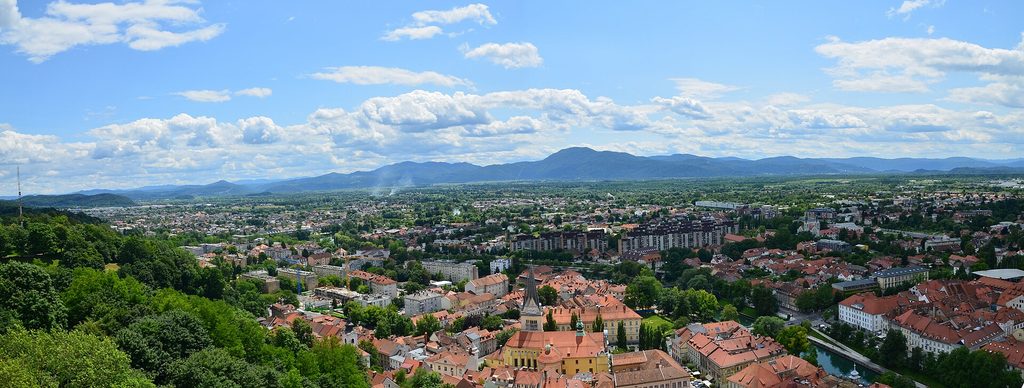
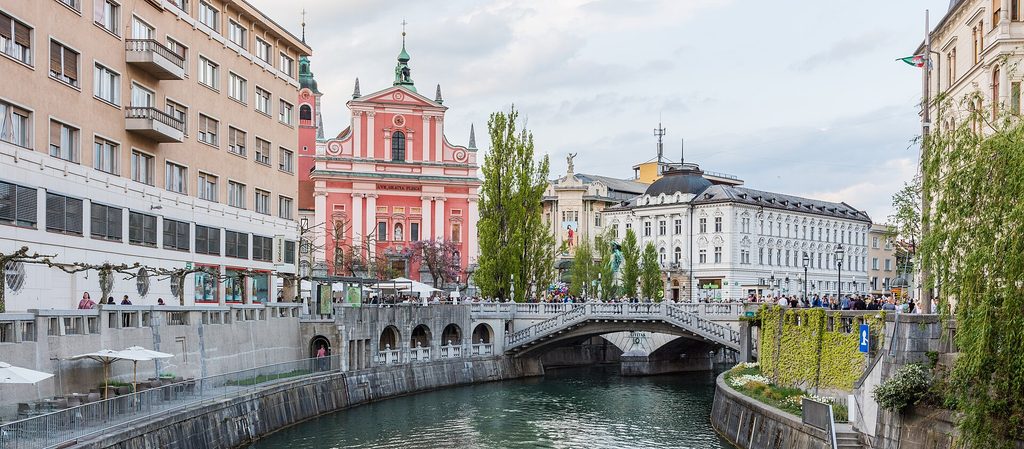
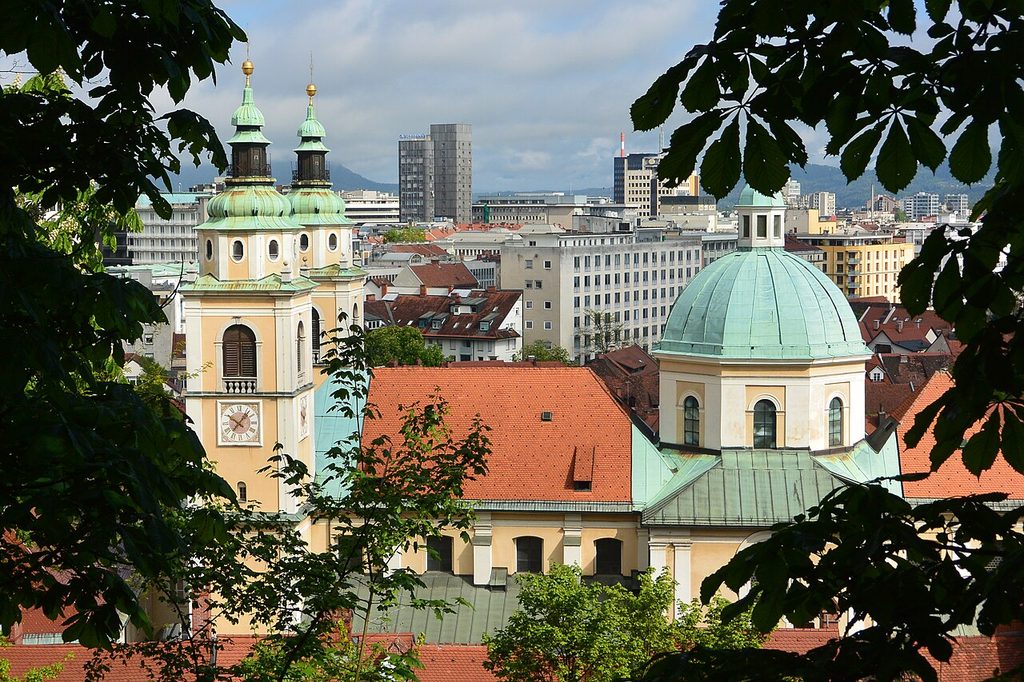
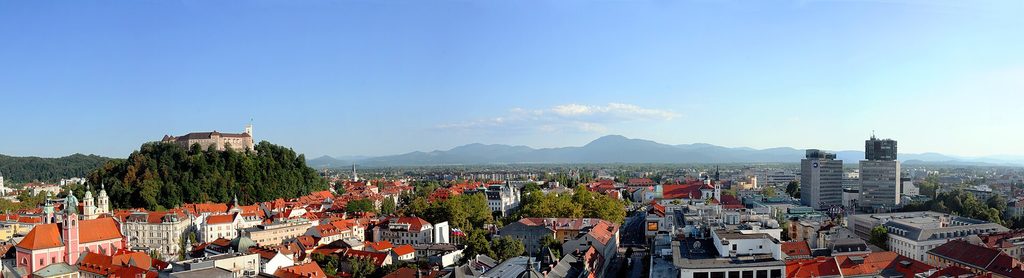
Ljubljana, pronounced in Slovene as Lublana and known by various historical names, is the vibrant capital and largest city of Slovenia. Nestled along a historic trade route connecting the northern Adriatic Sea to the Danube region, just north of the country’s largest marsh, this captivating city has been continuously inhabited since prehistoric times. Serving as Slovenia’s cultural, educational, economic, political, and administrative heart, it is also the seat of the Urban Municipality of Ljubljana. In antiquity, the Roman city of Emona flourished here, leaving traces of its grandeur.
The first recorded mention of Ljubljana dates back to the early 12th century, when it was the proud historical capital of Carniola, one of the Slovene-inhabited territories under the Habsburg monarchy. The city remained under Habsburg rule from the Middle Ages until the dissolution of the Austro-Hungarian Empire in 1918.
Following World War II, Ljubljana emerged as the capital of the Socialist Republic of Slovenia within the Socialist Federal Republic of Yugoslavia. This role continued until Slovenia’s independence in 1991, when Ljubljana was crowned the capital of the newly formed nation, a status it holds with pride to this day.
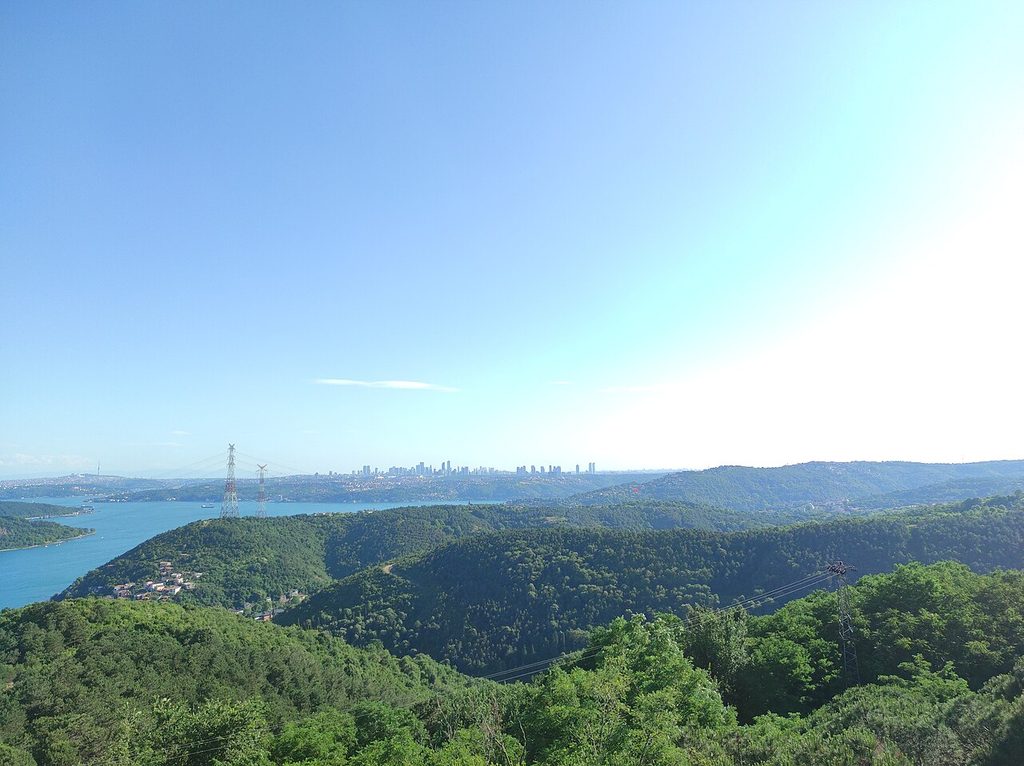
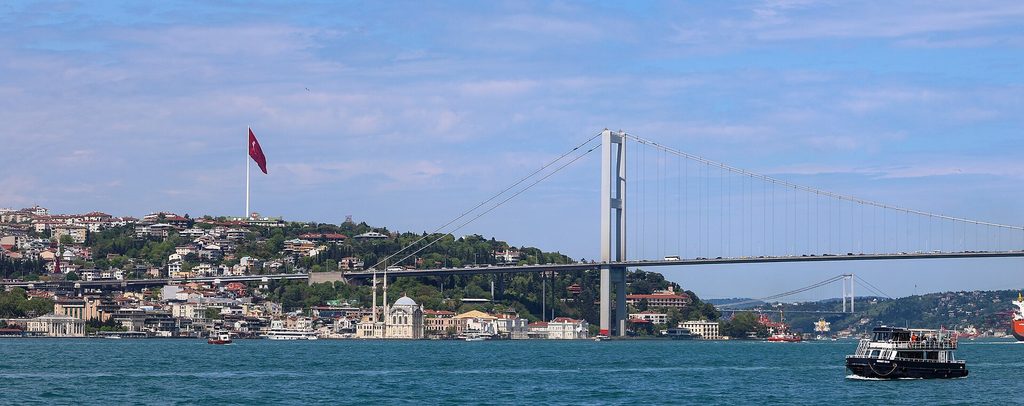
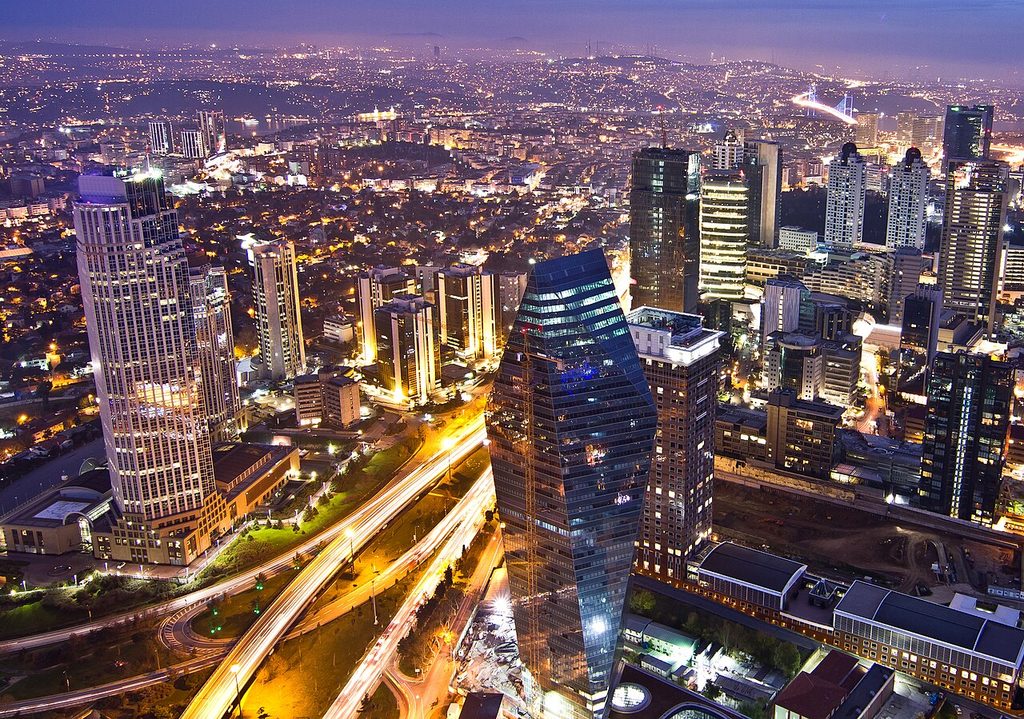
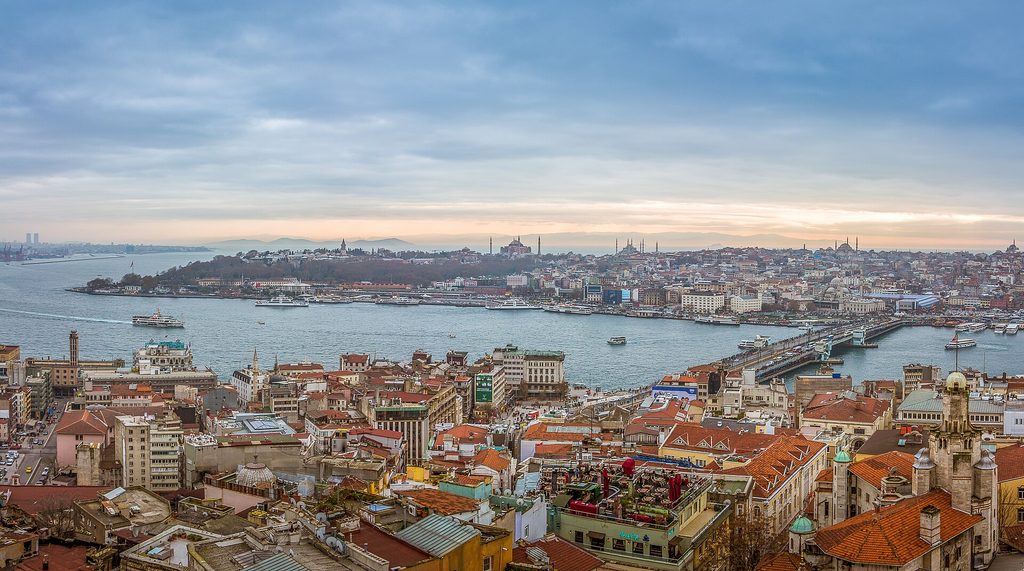
Istanbul is the largest city in Turkey, a vibrant megacity that serves as the nation’s economic, cultural, and historical heart. With a population exceeding 15 million, it is home to roughly 18% of Turkey’s people. Istanbul ranks among the largest cities in both Europe and the world by population. Uniquely situated on two continents, about two-thirds of its residents live in Europe while the remainder reside in Asia. The city spans the Bosphorus—one of the busiest waterways on the globe—nestled in northwestern Turkey between the Sea of Marmara and the Black Sea. Covering an area of 5,461 square kilometers (2,109 square miles), it shares boundaries with Istanbul Province.
Istanbul’s history is nothing short of extraordinary. Founded as Byzantium on the Sarayburnu promontory by Greek colonists in the seventh century BC, it rose to prominence after being reestablished as Constantinople in AD 330. For nearly 16 centuries, it served as the capital of four mighty empires: the Roman Empire (330–395), the Eastern Roman (Byzantine) Empire (395–1204 and 1261–1453), the Latin Empire (1204–1261), and the Ottoman Empire (1453–1922). It played a pivotal role in the spread of Christianity during Roman and Byzantine rule, before being transformed into an Islamic stronghold and the seat of the Ottoman caliphate after the conquest in 1453.
Although Ankara became the capital of the Republic of Turkey, Istanbul’s skyline remains adorned with majestic palaces and imperial mosques, testaments to its former central role. Today, its historic core is recognized as a UNESCO World Heritage Site, preserving the city’s rich legacy for generations to come.
Information correct at the time the article was written in November 2026.