Trip.
Oklahoma.

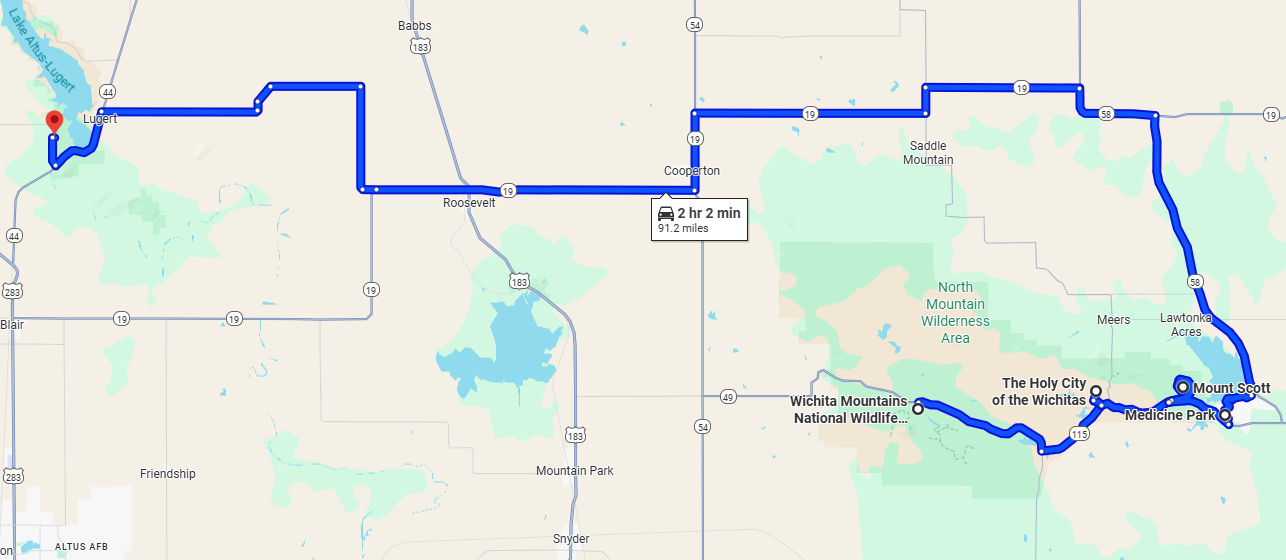
- Miles: 92
- Start: Wichita Mountains National Wildlife Refuge
- End: Quartz Mountain State Park
- Time: 2 to 6 hours
- Suitability: adventure, cruiser, tourer
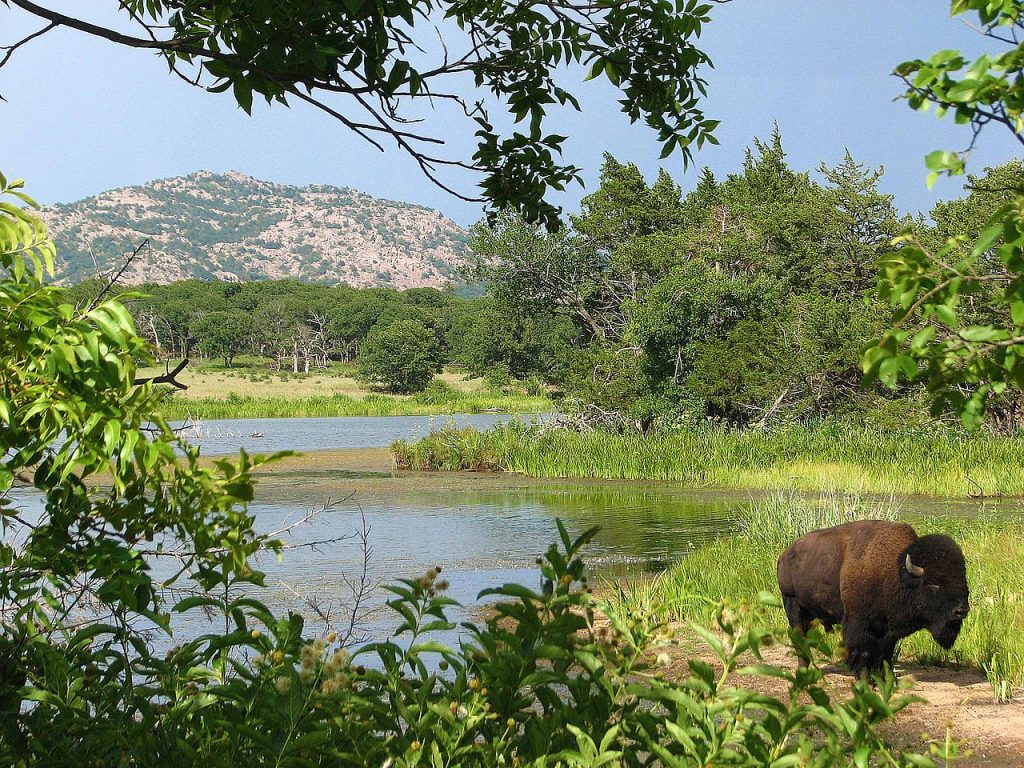
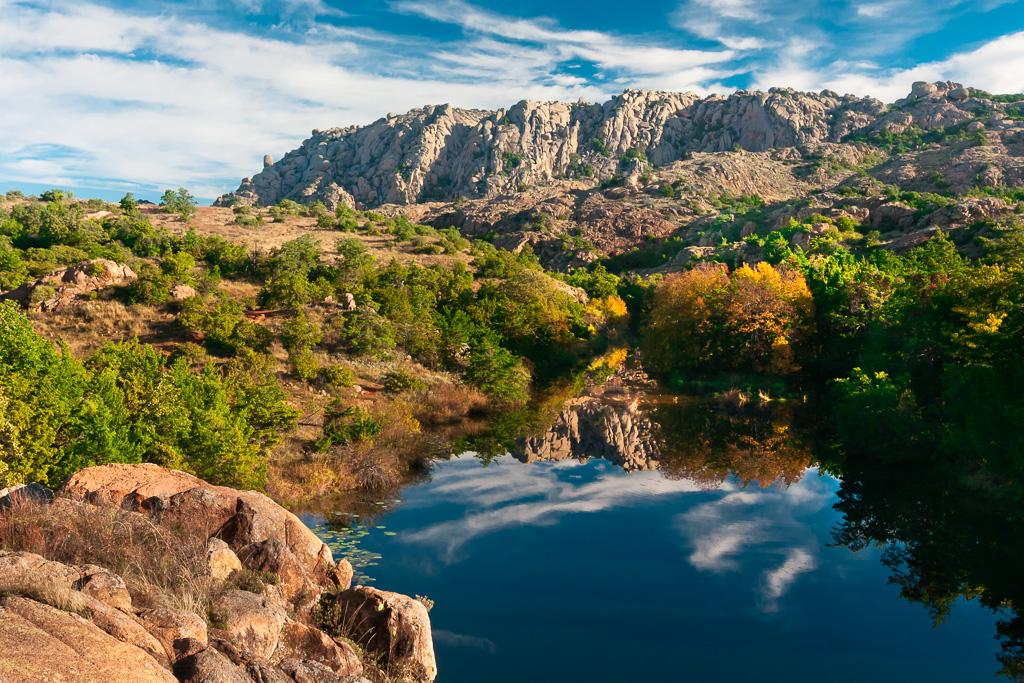
Wichita Mountains Wildlife Refuge, located in southwestern Oklahoma near Lawton, has protected unique wildlife habitats since 1901 and is the oldest managed wildlife facility in the United States Fish and Wildlife Service system. The refuge’s location in the geologically unique Wichita Mountains and its areas of undisturbed mixed grass prairie make it an important conservation area. The Wichita Mountains are approximately 500 million years old. Measuring about 59,020 acres (238.8 km2), the refuge hosts a great diversity of species: 806 plant species, 240 species of birds, 36 fish, and 64 reptiles and amphibians are present.
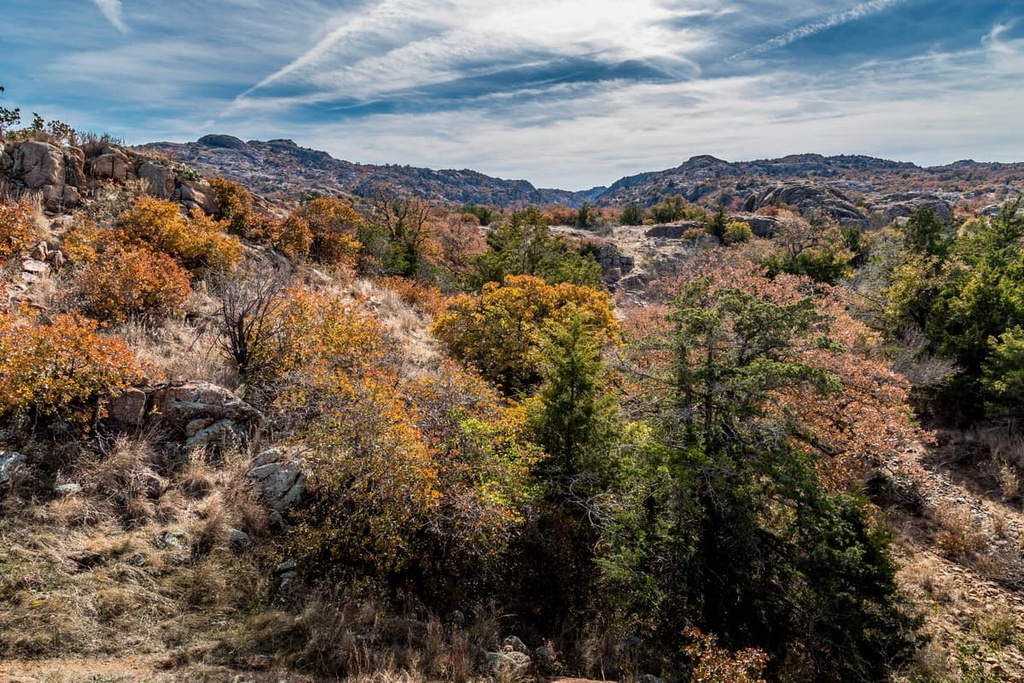
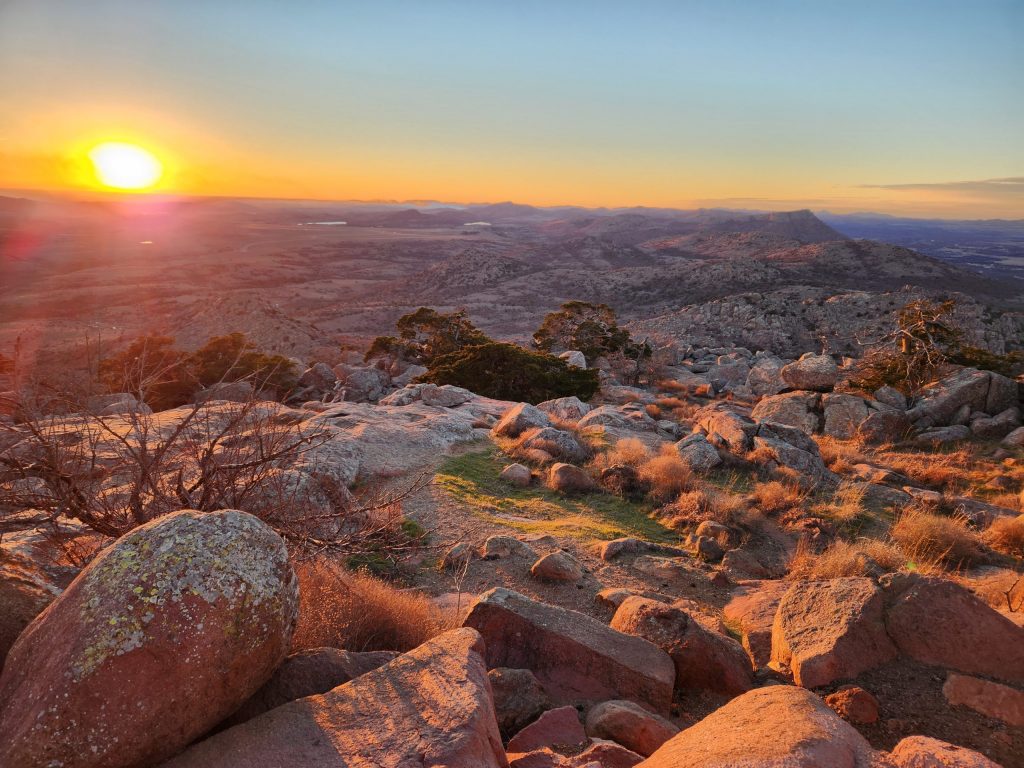
The Wichita Mountains, named after the tribe that inhabited the area centuries ago, were uplifted between 290 and 330 million years ago. The highest accessible peak which is located within the reserve is Mount Scott at 2,464 ft (751 m). The summit is drivable by means of a 3-mile-long road, and offers views of the surrounding landscape.
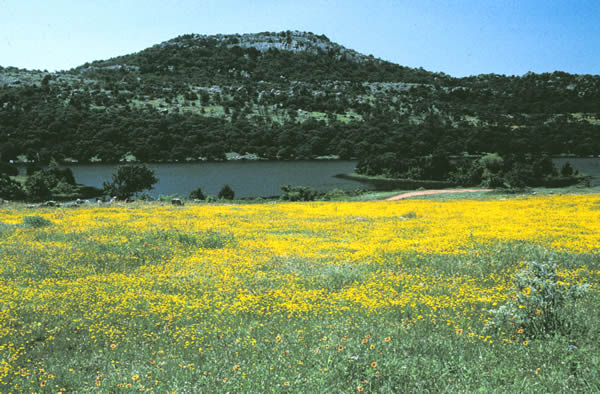
Mount Scott is a prominent mountain just to the northwest of Lawton, Oklahoma rising to a height of 2,464 feet (751 m) and is located in the Wichita Mountains near Fort Sill Military Reservation and lies in the Wichita Mountains National Wildlife Refuge (WMWR).
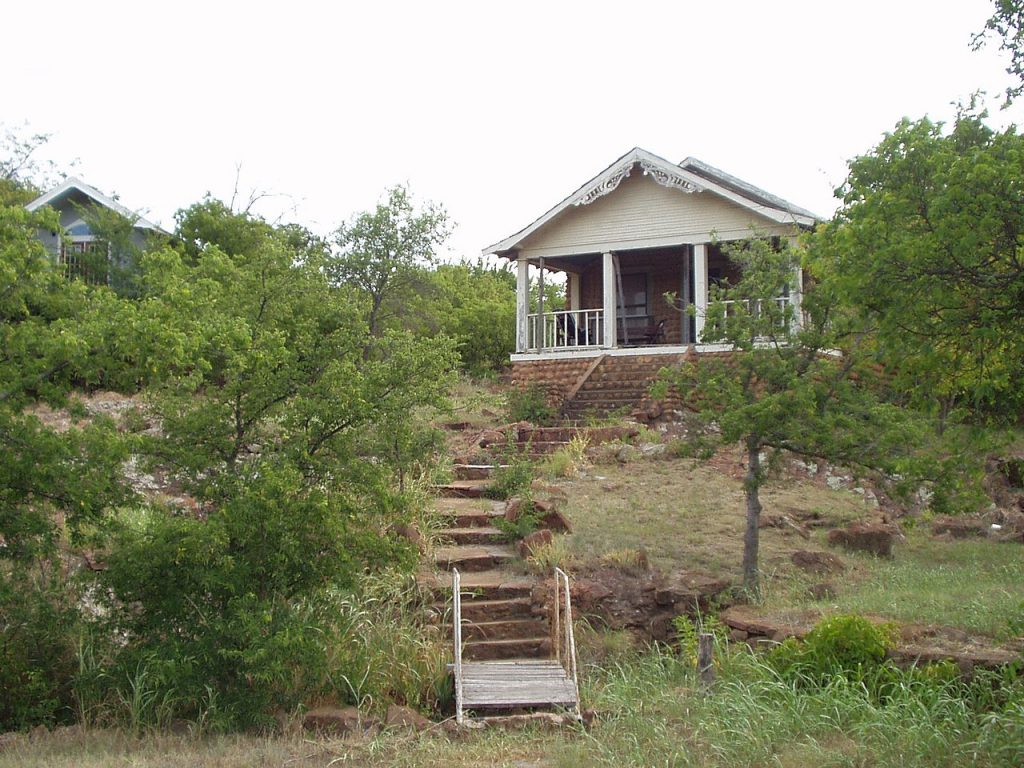
Medicine Park is a town in Comanche County, Oklahoma, United States, situated in the Wichita Mountains near the entrance to the 60,000-acre (240 km2) Wichita Mountain Wildlife Refuge. Medicine Park has a long history as a vintage cobblestone resort town. Medicine Park is located near the city of Lawton and Fort Sill.
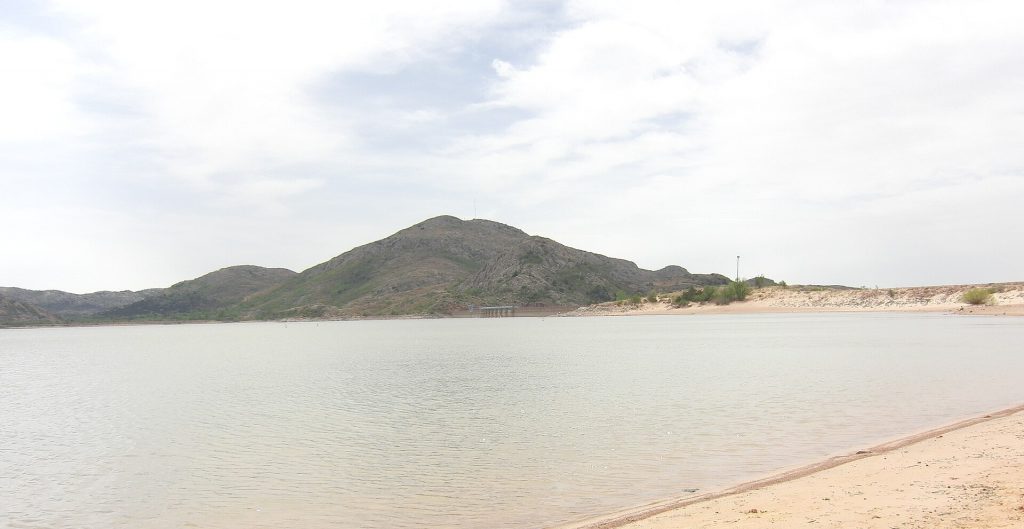
Quartz Mountain State Park is located in southwest Oklahoma at the western end of the Wichita Mountains, 13 miles (21 km) east of Mangum, Oklahoma and 20 miles (32 km) north of Altus, Oklahoma.