Trip.
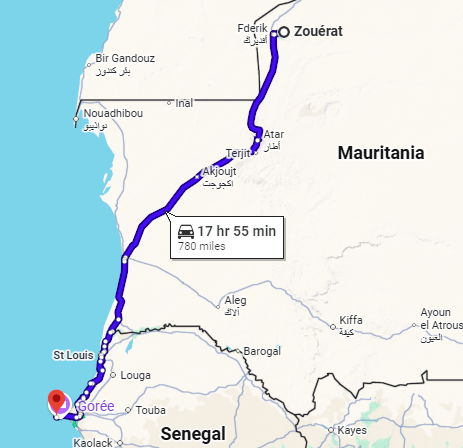
- Miles: 780
- Time: 3 to 6 months
- Start: Zouérat
- End: Dakar
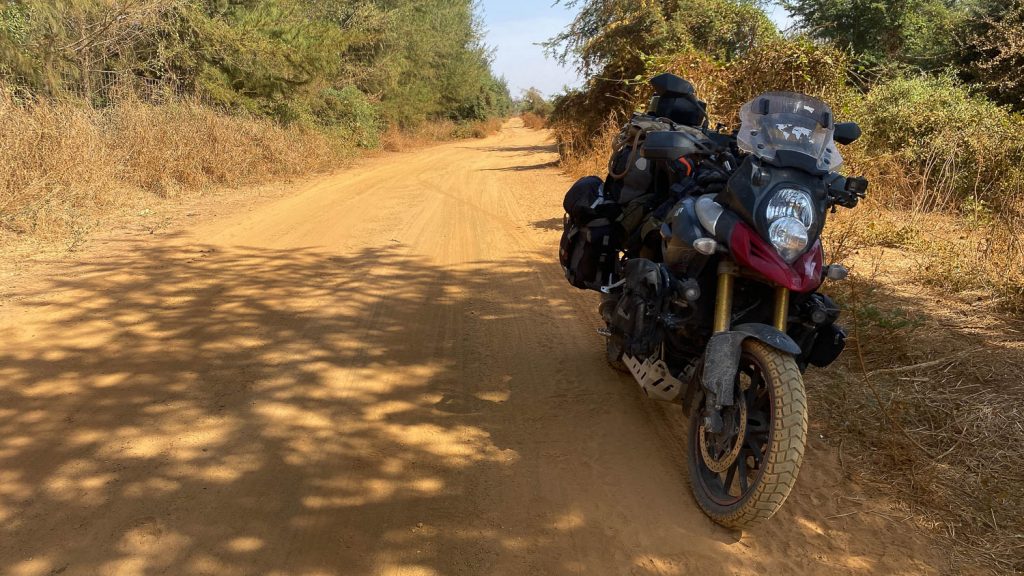
- Suitability: any 125cc and above, ideally adventure
Mauritania and Senegal.
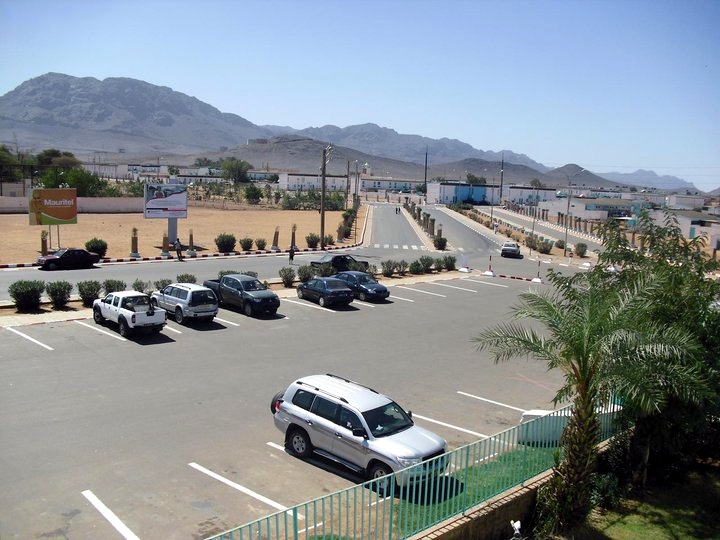
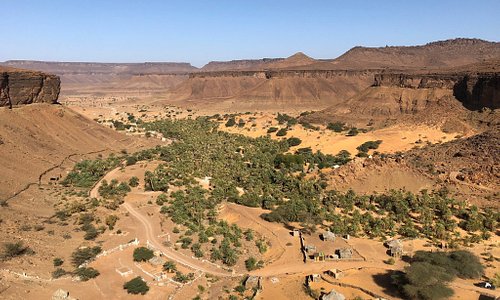
Zouérat is the biggest town in northern Mauritania and serves as the capital of the Tiris Zemmour region, with a population of about 62,380 as of 2023.
It’s located at the eastern end of the Mauritania Railway, which runs to Nouadhibou.
The town grew due to its significance in iron ore mining and is encircled by the hematite mines of Fderîck, Tazadit, and Rouessa. It serves as the regional administrative and military center for Tiris Zemmour. The majority of residents are employed, either directly or indirectly, in the mining sector, with a considerable number of foreign workers from other African nations. Local amenities include a medical clinic, social club, swimming pool, school, and shop.
Since 2006, a shanty town has sprung up around the main town. In response, the authorities have started building a wall, locally dubbed the “mur de la honte” (wall of shame), to divide the two areas.
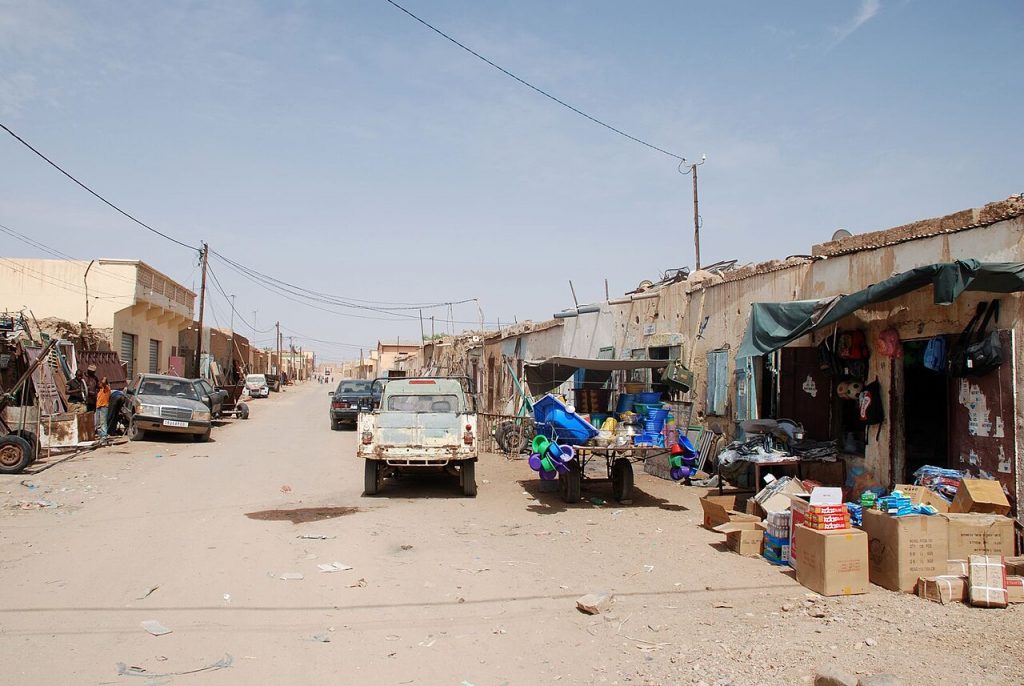
Atar (Arabic: أطار, meaning “mountain” in Berber) is a town in northwestern Mauritania, serving as the capital of the Adrar Region and the main hub on the Adrar Plateau. Located along the Oued Seguellil, it features an airport, a museum, and a historic mosque built in 1674. In 2023, its population was 35,170.
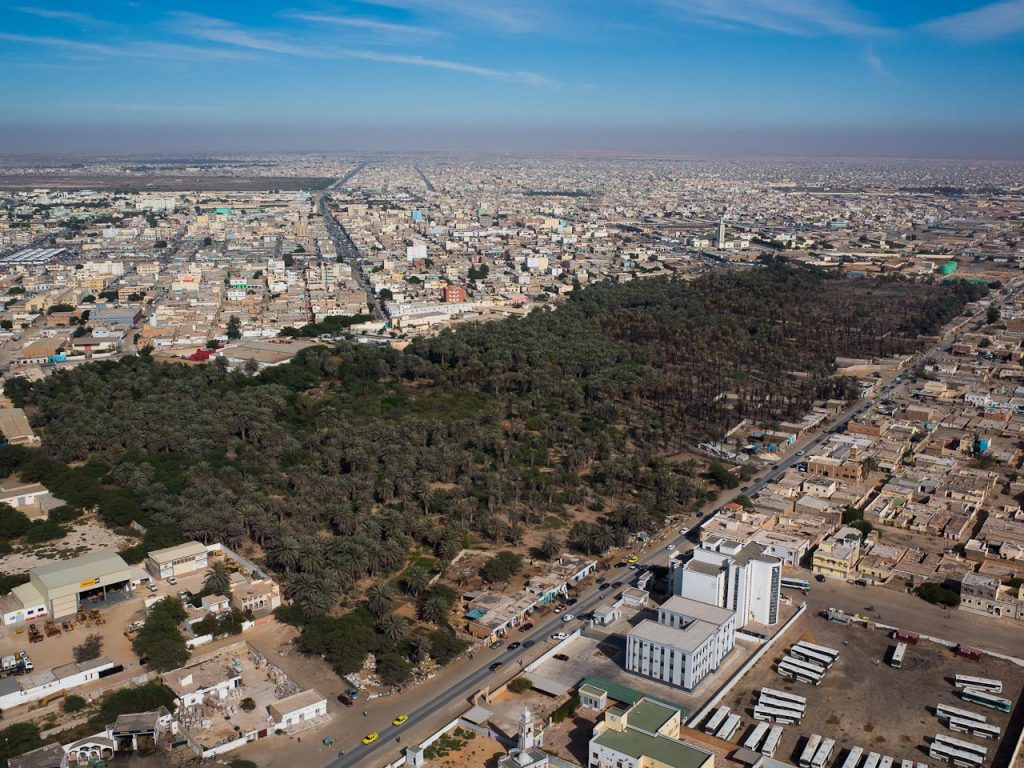
Nouakchott is the capital and biggest city of Mauritania. Situated in the southwestern part of the country, it’s among the largest cities in the Sahara.
It also acts as the main hub for Mauritania’s administration and economy.
Nouakchott, once a modest coastal village, was chosen as the capital of the newly formed nation of Mauritania, with construction starting in 1958. Initially planned for just 15,000 residents, the city saw a surge in population during the 1970s as many Mauritanians fled drought and advancing desertification in their home villages. Many settled in overcrowded, poorly maintained slum areas. By the mid-1980s, the population had swelled to between 400,000 and 500,000.
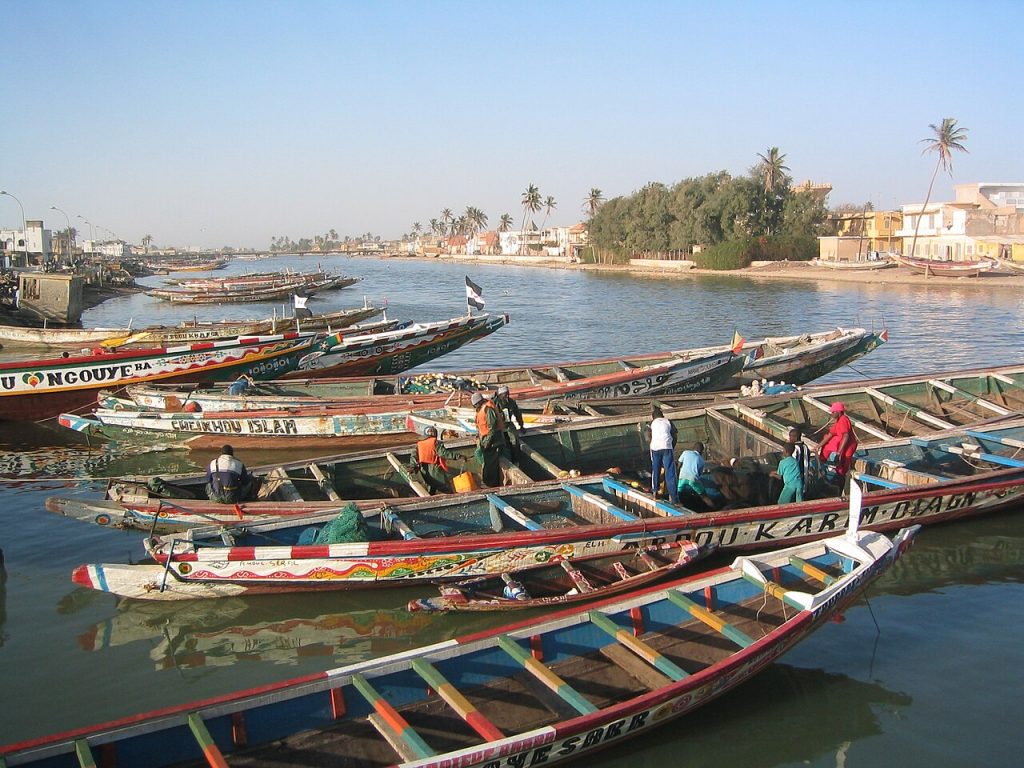
Saint-Louis, the capital of Senegal’s Saint-Louis Region, is situated in the northwest near the mouth of the Senegal River, approximately 320 kilometers (200 miles) north of Dakar, the current capital. In 2023, its population was estimated at around 254,171. Historically, Saint-Louis served as the capital of the French colony of Senegal from 1673 to 1902, and of French West Africa from 1895 to 1902, before the administrative centre moved to Dakar.
Between 1920 and 1957, it additionally served as the administrative capital of the neighbouring colony of Mauritania.
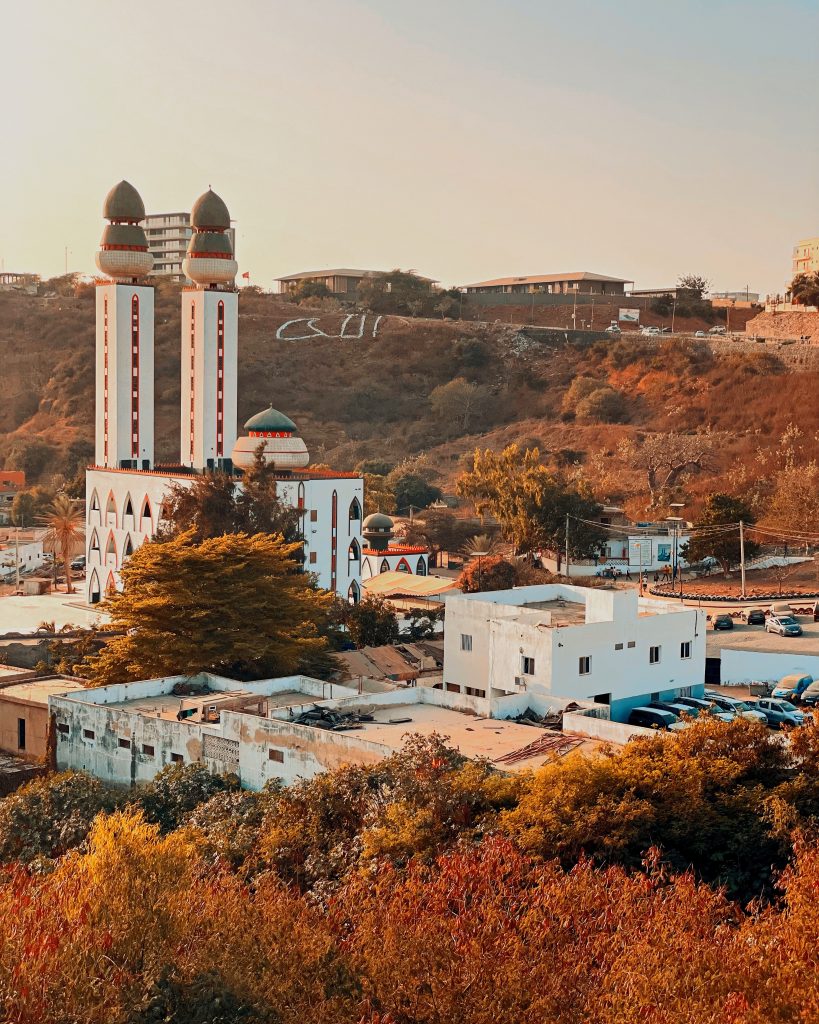
Dakar, the capital and largest city of Senegal, serves as a major political, economic, and cultural hub in the region. The Department of Dakar has a population of 1,278,469, while the greater metropolitan area recorded a population of approximately 4.0 million in 2023.
Dakar sits on the Cap-Vert Peninsula, the westernmost tip of the African mainland. In the early 15th century, the Portuguese colonized Cap-Vert, setting up a foothold on Gorée Island just off the coast. They used the island as a key base for the Atlantic slave trade.
France seized the island in 1677, and after the abolition of the slave trade and the annexation of the mainland in the 19th century, Dakar developed into a key regional port and an important city in the French colonial empire. In 1902, it took over from Saint-Louis as the capital of French West Africa, and from 1959 to 1960, it briefly served as the capital of the short-lived Mali Federation.